
Transform your living space without breaking the bank through strategic beautiful home updates on a budget. Start by creating a detailed project inventory, prioritizing renovations that deliver the highest visual impact for minimal investment. Calculate material costs at multiple retailers, factoring in seasonal sales and remnant materials to slash expenses by 30-50%. Master essential DIY skills through free online tutorials and community workshops, eliminating costly contractor fees while building valuable home improvement expertise.
Focus on high-impact, low-cost projects like painting walls, updating cabinet hardware, and installing peel-and-stick backsplashes to dramatically refresh spaces without major demolition. Source materials creatively through habitat restoration stores, online marketplaces, and architectural salvage yards, where premium materials often sell for pennies on the dollar. Schedule renovations during off-peak seasons when suppliers offer deeper discounts and DIY resources are readily available.
Smart planning and strategic execution transform budget constraints into opportunities for innovation, proving that stunning home improvements don’t require substantial financial investment—just creativity, determination, and careful resource management.
Smart Planning: The Foundation of Budget-Friendly Renovations
Setting Realistic Budgets and Timelines
Setting a realistic budget and timeline is crucial for any successful DIY renovation project. Start by breaking down your renovation into specific tasks and researching the costs of materials and tools you’ll need. Add a 20% buffer to your initial budget estimate to account for unexpected expenses – trust me, they always pop up!
Create a detailed spreadsheet listing every expense, from major materials to small items like screws and sandpaper. Don’t forget to factor in costs for permits, waste removal, and tool rentals if needed. For timeline planning, be honest about your available time and skill level. A good rule of thumb is to double your initial time estimate for each task, especially if you’re new to DIY.
Consider tackling your project in phases if the total budget feels overwhelming. For example, you might start with painting and basic repairs, then move on to bigger updates when your budget allows. This approach helps manage both costs and time more effectively.
Track your spending meticulously as you go along, and adjust your plans if needed. Remember that some tasks might depend on others – you’ll want to paint before installing new baseboards, for instance. Create a visual timeline using a simple calendar or project management app to stay organized.
Finally, schedule your most disruptive work during times that make sense for your household. Weekend warriors should plan the noisiest tasks for Saturday mornings rather than Sunday evenings!
Prioritizing Projects for Maximum Impact
When planning your home renovation journey, it’s crucial to focus on projects that deliver the best bang for your buck. Start by evaluating improvements that enhance your daily living experience while boosting your home’s value. Kitchen and bathroom updates typically offer excellent returns, even with modest changes like updating cabinet hardware or refreshing grout.
Consider energy-efficient home improvements as they not only increase your property’s value but also reduce monthly utilities. Simple upgrades like weatherstripping, LED lighting, or improved insulation can make a significant difference without breaking the bank.
Focus on fixing essential maintenance issues before tackling purely aesthetic projects. A leaky roof or faulty plumbing can lead to costly damage if left unaddressed. Once the basics are covered, prioritize visible improvements that create immediate impact, such as fresh paint, updated flooring, or modern light fixtures.
Create a timeline that groups projects logically. For instance, complete all messy demolition work before tackling finish details. Consider seasonal timing too – exterior projects are best done in favorable weather, while indoor renovations can fill the off-season months.
Remember to balance quick wins with longer-term projects. Small victories like updating switch plates or installing new door handles can maintain momentum while you save for bigger improvements. This approach helps you stay motivated while making steady progress toward your renovation goals.
Money-Saving Materials and Tools
Where to Find Discounted Materials
Finding quality materials at discounted prices is crucial for keeping your renovation budget in check. Start by exploring your local Habitat for Humanity ReStore, which offers gently used and surplus building materials at significantly reduced prices. These stores often stock everything from cabinets to lighting fixtures, and your purchases support a great cause.
Don’t overlook architectural salvage yards, which are treasure troves for unique, eco-friendly renovation options and vintage materials. These locations often offer character-rich items like doors, windows, and hardware at fraction of retail prices.
For new materials, timing is everything. Visit big box stores during major holidays or seasonal clearance events, and sign up for their email newsletters to get notifications about sales. Many stores also offer significant discounts on slightly damaged items or floor models, which are perfect for budget-conscious DIYers looking for innovative renovation materials.
Online marketplaces like Facebook Marketplace, Craigslist, and OfferUp are excellent resources for finding local deals. Many contractors and homeowners sell excess materials from their projects at steep discounts. Remember to check these platforms regularly, as good deals move quickly.
Consider joining local buy-nothing groups or construction exchange networks where people often give away or sell materials at deeply discounted prices. Also, don’t forget to check auction websites and estate sales, which can be goldmines for finding high-quality materials at bargain prices.
Tool Alternatives and Rentals
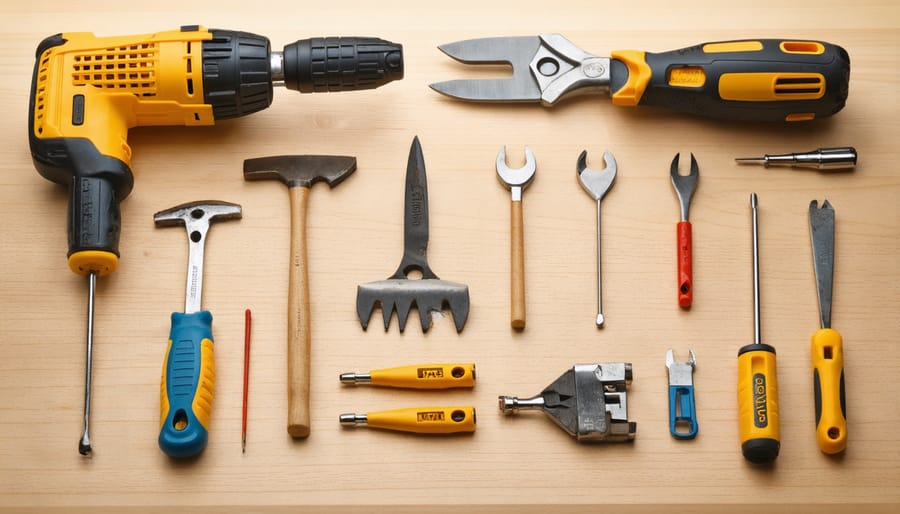
Tools can eat up a significant portion of your renovation budget, but there are smart ways to access the equipment you need without breaking the bank. Start by checking your local tool library – many communities offer these services where you can borrow tools for free or a minimal fee. Home improvement stores often have rental departments where you can get professional-grade equipment for a fraction of the purchase price, perfect for those one-time projects.
Consider splitting tool costs with neighbors or joining local DIY groups where members share resources. Online marketplace apps are excellent for finding second-hand tools at bargain prices, and many sellers offer bundle deals. When purchasing is necessary, focus on versatile tools that serve multiple purposes – a quality drill, for instance, can handle various attachments for different jobs.
For specialty tools you’ll only use once, rental is almost always the most cost-effective option. Weekend rates are typically reasonable, and you won’t have to worry about maintenance or storage. Some stores even offer tool rental packages specifically designed for particular projects, like tiling or flooring installations.
Don’t overlook budget-friendly alternatives to expensive power tools. Many tasks can be accomplished with manual tools that cost less and last longer. For example, a good hand saw might be a smarter investment than a circular saw for occasional use. Remember to check if friends or family members have tools you can borrow – this can save you money while strengthening community bonds.
Keep an eye out for seasonal sales at hardware stores, and consider refurbished tools that often come with warranties but cost significantly less than new ones.
High-Impact, Low-Cost Projects
Paint and Surface Transformations
One of the most dramatic and cost-effective ways to transform your home is through paint and surface updates. A fresh coat of paint can completely change the feel of a room for less than $100. Start by properly preparing your surfaces – clean walls thoroughly with soap and water, patch any holes with spackling compound, and sand smooth before painting.
For maximum savings, choose light colors that typically require fewer coats. Consider using paint+primer combinations to reduce material costs and labor time. Don’t forget to check the “oops” paint section at home improvement stores, where you can find deeply discounted paint due to mixing mistakes.
Beyond traditional wall painting, try budget-friendly techniques like color washing, sponging, or stenciling to create unique textures and patterns. For kitchen and bathroom cabinets, a good cleaning followed by chalk paint can provide a modern update without replacement costs.
Transform dated countertops using specialized countertop paint kits or concrete overlay systems, which cost a fraction of replacement. Tired of old tile? Consider tile paint or peel-and-stick tile decals for a temporary but effective update.
Pro tip: Invest in quality brushes and rollers – they may cost more upfront but will provide better coverage and can be cleaned and reused for future projects. Always test your chosen colors and techniques on a small, hidden area first to ensure you’re happy with the results before tackling the entire space.
Kitchen Updates Without the Hefty Price Tag
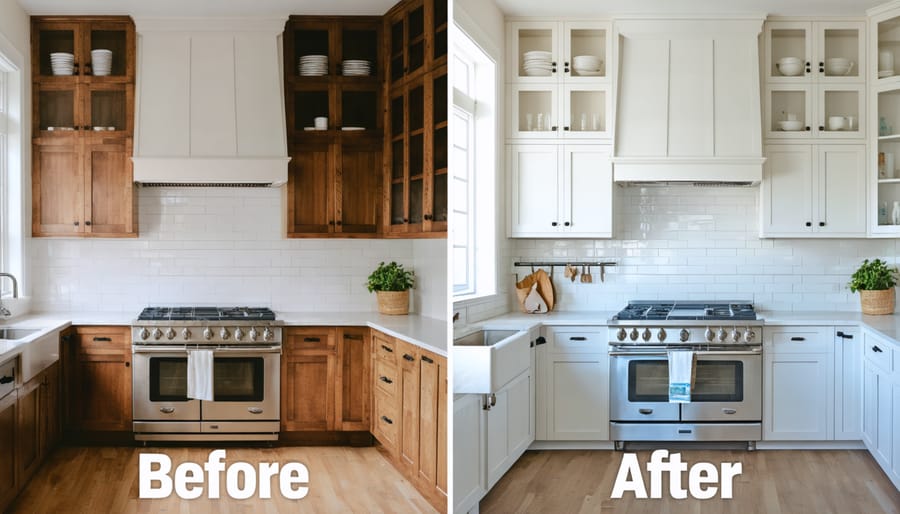
The kitchen is often considered the heart of the home, but a full renovation can drain your savings faster than a leaky faucet. Fortunately, there are several budget-friendly updates that can transform your kitchen without breaking the bank.
Start with a fresh coat of paint on your cabinets – it’s amazing what this simple change can do. Choose light colors to brighten the space and make it feel larger. For about $100 in supplies, you can completely revitalize tired-looking cabinets. Don’t forget to properly clean, sand, and prime before painting for the best results.
Updating hardware is another quick win. New handles and knobs can modernize your cabinets for just a few dollars per piece. Look for bulk deals online or at home improvement stores, and keep the same size fixtures to avoid having to drill new holes.
Consider giving your countertops a makeover with specialized paint kits or peel-and-stick coverings designed for countertops. While these aren’t permanent solutions, they can buy you time until you’re ready for a full replacement. For about $100-200, you can dramatically change the look of your kitchen surfaces.
Lighting makes a huge impact on any space. Replace outdated fixtures with modern alternatives, and add under-cabinet LED strips for both functionality and ambiance. These updates typically cost between $50-200 but can make your kitchen feel entirely new.
Don’t overlook the power of organizational improvements. Installing pull-out shelves in existing cabinets, adding a pegboard for utensils, or mounting a magnetic knife strip can maximize space and improve functionality without major construction.
Finally, update your backsplash with peel-and-stick tiles or paintable wallpaper designed for kitchens. These options are removable, making them perfect for renters, and cost a fraction of traditional tile work. You can complete this project for under $100 while adding significant visual interest to your kitchen.
Remember to tackle these projects one at a time to keep costs manageable and maintain your motivation throughout the renovation process.
Bathroom Refreshes on a Budget
Transform your bathroom without breaking the bank using these budget-friendly refresh strategies. Start with a deep clean – sometimes, that’s all you need to make a significant difference. Use a mixture of vinegar and water to remove soap scum and hard water stains from fixtures and tiles.
Paint is your best friend when it comes to affordable bathroom updates. Choose moisture-resistant paint for walls and consider painting outdated tiles instead of replacing them. Don’t forget to properly prep surfaces and use appropriate primers for lasting results.
If your tub or sink looks worn but is structurally sound, consider reglazing rather than replacing. Check out our detailed bathroom reglazing tips to give your fixtures new life at a fraction of the replacement cost.
Update hardware and fixtures for instant impact. Replace dated towel bars, cabinet pulls, and faucets with modern alternatives. Shop end-of-season sales or check architectural salvage stores for deals on high-end pieces.
Add style with affordable accessories. New towels, a shower curtain, and coordinated storage containers can dramatically change the room’s look. Consider adding plants that thrive in humidity to bring life to the space.
Don’t overlook lighting – swap out old fixtures for modern LED options that save energy and improve ambiance. Install a dimmer switch for additional atmosphere control.
For storage solutions, use over-the-toilet shelving units or floating shelves. These additions maximize vertical space without requiring major construction. Paint second-hand furniture pieces to create unique storage solutions that match your new color scheme.
Finally, re-caulk around tubs, sinks, and toilets. This simple task costs very little but makes everything look crisp and clean while preventing water damage. Remember to ventilate well during all projects and allow proper drying time between steps.
Money-Saving DIY Tips and Tricks
Common Mistakes to Avoid
When tackling DIY home renovations, being aware of common pitfalls can save you time, money, and frustration. One of the biggest mistakes is underestimating project costs – always add a 20% buffer to your initial budget for unexpected expenses. Skipping permits is another costly error that can lead to fines or having to redo work later.
Many DIYers rush into projects without proper planning or measurements. Take time to create detailed plans and double-check all measurements before purchasing materials or making cuts. Speaking of materials, don’t fall into the trap of buying the cheapest options available – sometimes spending a bit more on quality materials saves money in the long run.
Another frequent mistake is tackling projects beyond your skill level. While learning new skills is great, some tasks like electrical work or major plumbing should be left to professionals. Improper installations can be dangerous and expensive to fix.
Poor preparation is a common downfall – skipping surface prep work or not using the right primers can lead to peeling paint or uneven finishes. Similarly, choosing trendy designs over timeless options might look dated quickly, reducing your renovation’s long-term value.
Finally, don’t forget to factor in proper ventilation and dust protection. Many DIYers overlook these safety measures, which can lead to health issues and cleanup nightmares. Remember, successful renovations require patience, proper planning, and realistic expectations.
When to DIY vs. When to Hire Help
Deciding whether to DIY or hire professionals can significantly impact your renovation budget and results. The key is to honestly assess your skills, time, and the project’s complexity before diving in.
Generally, you can tackle cosmetic updates like painting, installing baseboards, or updating cabinet hardware yourself. These projects require minimal specialized skills and pose little risk of costly mistakes. Basic landscaping, tile backsplashes, and simple flooring installations are also suitable DIY projects for most homeowners with proper research and patience.
However, always hire professionals for projects involving electrical work, plumbing, structural changes, or complex installations. These tasks require specialized knowledge, permits, and proper certification to ensure safety and compliance with local building codes. If mistakes could lead to water damage, fire hazards, or compromise your home’s structure, it’s worth investing in professional help.
Consider these factors when deciding:
– Time commitment required
– Tools needed and their cost
– Your experience level
– Safety risks
– Permit requirements
– Potential impact on home value
– Cost savings versus professional work
A good rule of thumb: if the potential cost of fixing mistakes approaches the cost of hiring a professional, opt for expert help. Remember, some projects might seem simple on YouTube but require years of experience to execute properly. Start with smaller projects to build confidence and skills before tackling larger renovations.
Embarking on a DIY home renovation journey doesn’t have to break the bank or overwhelm you. As we’ve explored throughout this guide, transforming your living space on a budget is absolutely achievable with careful planning, smart material choices, and a dash of creativity. Remember that successful budget renovations are built on thorough research, realistic planning, and patience.
By prioritizing your projects, shopping strategically during sales, and repurposing existing materials, you can stretch your renovation dollars further than you might think. Don’t forget the power of small changes – sometimes a fresh coat of paint, updated hardware, or rearranged furniture can make a significant impact without requiring a major investment.
Start with one manageable project and build your confidence gradually. Whether you’re refreshing your kitchen cabinets, updating your bathroom fixtures, or creating a feature wall, each successful project will add to your DIY skill set and home’s value.
Keep in mind that not every renovation needs to happen at once. Breaking down your home improvement goals into smaller, budget-friendly phases can help maintain your financial stability while steadily working toward your dream home. With the tips and techniques we’ve shared, you’re well-equipped to begin your renovation journey.
Take that first step today – your budget-friendly dream home awaits!