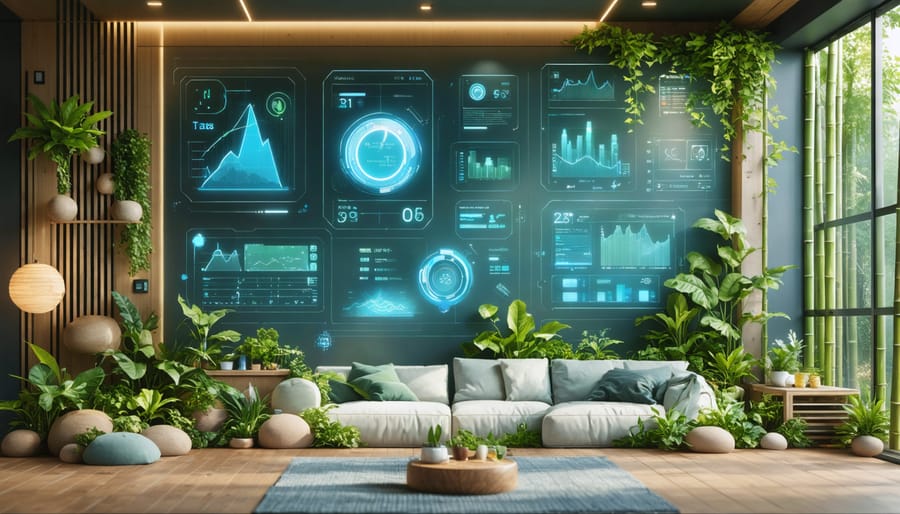
Transform your home into a sustainable sanctuary by implementing proven eco-friendly practices that protect both the environment and your wallet. Start with smart water management systems that reduce consumption by up to 30%, upgrade to energy-efficient LED lighting throughout your living spaces, and incorporate natural cleaning solutions that eliminate harmful chemicals from your daily routine. Modern sustainability isn’t just about reducing environmental impact—it’s about creating a healthier, more efficient living space that saves money while preserving our planet’s resources.
The journey toward sustainable living has evolved beyond basic recycling and energy conservation. Today’s homeowners have access to innovative technologies and simple, cost-effective solutions that make sustainable maintenance both practical and rewarding. From smart thermostats that optimize energy usage to drought-resistant landscaping that minimizes water waste, every small change contributes to a larger positive impact.
By embracing sustainable maintenance practices, you’re not just maintaining a home—you’re investing in a future where environmental responsibility and modern comfort work in perfect harmony. Whether you’re a seasoned eco-warrior or just beginning your sustainability journey, the time to act is now.
Energy-Efficient Home Systems That Last
Smart HVAC Management
Your HVAC system is one of the biggest energy consumers in your home, but with smart management, you can significantly reduce both your carbon footprint and energy bills. Start by scheduling regular maintenance checks twice a year – ideally before summer and winter seasons. Clean or replace air filters monthly to ensure optimal airflow and efficiency, and keep outdoor units free from debris and vegetation.
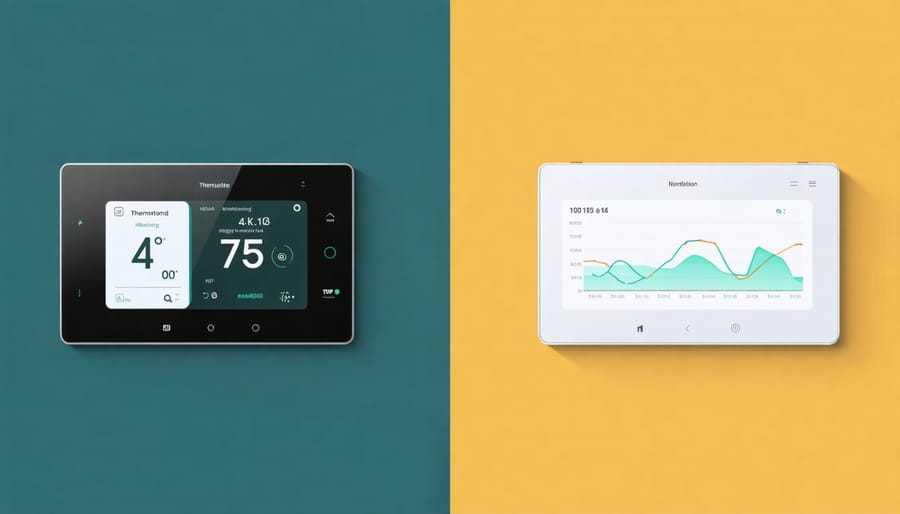
Installing a smart thermostat is a game-changing investment that can reduce your HVAC energy consumption by up to 15%. Program your thermostat to adjust temperatures automatically based on your daily routine – aim for 68°F (20°C) in winter and 78°F (26°C) in summer when you’re home. Set temperatures 7-10 degrees higher or lower when you’re away or sleeping.
Make the most of your smart thermostat’s features by:
– Setting up occupancy detection to automatically adjust temperatures
– Using smartphone controls to manage settings remotely
– Reviewing energy reports to identify optimization opportunities
– Enabling weather-based adjustments
Don’t forget about your ductwork – seal any leaks with metal-backed tape or mastic sealant, and insulate ducts in unconditioned spaces. Consider installing ceiling fans to improve air circulation, allowing you to adjust your thermostat settings by a few degrees while maintaining comfort.
For maximum efficiency, zone your home’s heating and cooling by closing vents in unused rooms and using smart vents that integrate with your thermostat system.
Water Conservation Solutions
Water conservation starts right at home, and small changes can lead to significant savings in both water usage and utility bills. Begin by conducting a thorough inspection of all your plumbing fixtures to identify and fix any leaks. Even a small drip can waste hundreds of gallons annually, so addressing these issues promptly is essential.
Install low-flow fixtures throughout your home, including faucet aerators and water-efficient showerheads. These simple upgrades can reduce water consumption by up to 50% without compromising water pressure or comfort. When replacing toilets, opt for dual-flush models or high-efficiency alternatives that use significantly less water per flush.
Smart irrigation systems for your garden can automatically adjust watering schedules based on weather conditions and soil moisture levels. Consider collecting rainwater in barrels for garden use and installing drought-resistant plants that require minimal watering.
In your daily routine, practice water-conscious habits like turning off taps while brushing teeth or soaping dishes. Run dishwashers and washing machines only with full loads, and consider upgrading to water-efficient appliances when replacement time comes.
For outdoor cleaning, use a broom instead of hosing down driveways and walkways. When washing your car, use a bucket and sponge rather than leaving the hose running. These simple changes not only conserve water but also contribute to a more sustainable lifestyle while reducing your monthly expenses.
Eco-Friendly Materials for Repairs and Updates
Sustainable Building Materials
When it comes to repairs and renovations, choosing sustainable building materials can make a significant impact on both the environment and your home’s long-term value. Consider bamboo flooring as an eco-friendly alternative to traditional hardwood – it’s incredibly durable and regrows rapidly. For insulation, recycled denim or cellulose made from recycled paper provides excellent thermal protection while keeping materials out of landfills.
Cork is another fantastic option for flooring and wall tiles, offering natural antimicrobial properties and sound absorption. When replacing windows or doors, look for products made from reclaimed wood or those certified by the Forest Stewardship Council (FSC). For countertops, recycled glass composites create stunning surfaces while reducing waste.
Don’t overlook the power of recycled metal and plastic lumber for outdoor projects. These materials are incredibly durable and require minimal maintenance. When painting, choose low-VOC or zero-VOC options to maintain healthy indoor air quality. For smaller repairs, seek out alternatives like natural lime plaster instead of conventional drywall compounds, or salvaged materials from local architectural salvage yards.
Remember, sustainable materials often cost more upfront but typically last longer and require less maintenance, making them cost-effective in the long run while benefiting our planet.
Green Cleaning Solutions
Creating a healthier home environment starts with choosing the right natural cleaning solutions. You’ll be amazed at how effective simple ingredients from your kitchen can be for everyday cleaning tasks. White vinegar, baking soda, and lemon juice form the foundation of most DIY cleaning recipes, offering powerful cleaning action without harsh chemicals.
For all-purpose cleaning, mix equal parts water and white vinegar in a spray bottle. Add a few drops of tea tree or lavender essential oil for antimicrobial properties and a pleasant scent. This solution works wonders on countertops, windows, and bathroom surfaces.
Tackle tough stains and grease with a paste made from baking soda and water. This gentle abrasive is perfect for sinks, tubs, and stovetops. For wooden surfaces, combine one part olive oil with one part lemon juice to clean and polish naturally.
Keep your drains clear by pouring baking soda followed by vinegar down them monthly. This fizzing action helps prevent clogs while avoiding harsh chemical drain cleaners. For fresher indoor air, simmer citrus peels and herbs like rosemary in water instead of using artificial air fresheners.
These eco-friendly alternatives not only protect your health and the environment but also save money in the long run.
Preventive Maintenance for Longevity
Seasonal Maintenance Checklist
Stay on top of your home’s sustainable maintenance with these season-specific tasks that help reduce environmental impact while keeping your home in prime condition.
Spring (March-May):
• Clean and inspect solar panels
• Check and clean gutters after winter
• Test irrigation systems for leaks
• Start composting fresh garden waste
• Inspect windows and doors for drafts
• Clean or replace HVAC filters
• Test smart thermostats and calibrate settings
Summer (June-August):
• Service air conditioning units
• Install or check window shading
• Assess garden water efficiency
• Clean and maintain rain barrels
• Check insulation in attic spaces
• Monitor energy usage patterns
• Inspect green roof systems if applicable
Fall (September-November):
• Seal air leaks around windows and doors
• Clean gutters before winter
• Schedule heating system maintenance
• Test home automation systems
• Prepare garden for winter using sustainable methods
• Check water heater efficiency
• Install programmable thermostats if needed
Winter (December-February):
• Monitor indoor humidity levels
• Check pipe insulation
• Assess heating system performance
• Review annual energy consumption
• Plan upcoming sustainable upgrades
• Maintain draft-free environments
• Test home energy monitoring systems
Pro tip: Create digital reminders for these tasks and keep detailed records of maintenance performed. This helps track your home’s efficiency improvements and identifies areas needing attention in future seasons.
Early Problem Detection
Catching problems early can save you time, money, and resources while maintaining your home’s sustainability. Start by creating a regular inspection routine – monthly walk-throughs of your home can help you spot potential issues before they escalate into major repairs.
Pay attention to unusual sounds, smells, or changes in your home’s performance. A dripping faucet might seem minor, but it can waste thousands of gallons of water annually. Similarly, listen for unusual HVAC sounds or notice if some rooms feel unusually warm or cold, as these could indicate developing efficiency problems.
Keep an eye out for visual cues: water stains on ceilings or walls, cracks in foundation or walls, peeling paint, or loose caulking around windows and doors. These seemingly small issues can lead to significant energy loss or water damage if left unaddressed.
Create a seasonal maintenance checklist that includes checking your roof for damaged shingles, cleaning gutters, inspecting weather stripping, and examining pipes for leaks. During these inspections, test smoke detectors, carbon monoxide detectors, and check for any signs of pest infestation.
Document your findings and maintain a repair log. This helps you track recurring issues and identify patterns that might point to larger underlying problems. Remember, addressing small problems promptly not only preserves your home’s sustainability but also prevents the need for resource-intensive repairs later.
Smart Home Technology for Sustainability
Monitoring Systems
Modern monitoring systems are transforming how we track and manage our home’s resource consumption. Smart meters and connected devices give you real-time insights into your energy and water usage, making it easier than ever to maintain a sustainable household.
Start with a smart thermostat, which learns your temperature preferences and automatically adjusts to optimize energy use. These devices can reduce your heating and cooling costs by up to 15% while keeping your home comfortable. Many models also offer smartphone apps, letting you control your home’s climate from anywhere.
Water monitoring systems are equally valuable. Install smart water meters to detect leaks early and track your daily usage. Some advanced systems can even automatically shut off your water supply if they detect unusual flow patterns, potentially saving thousands of gallons – and dollars – from hidden leaks.
For electricity monitoring, smart plugs and whole-home energy monitors provide detailed breakdowns of your power consumption. These devices show you which appliances use the most energy and when, helping you make informed decisions about usage patterns and upgrades.
The real power of these systems lies in their data analysis. Most come with user-friendly dashboards that display your consumption trends, set conservation goals, and even suggest ways to reduce your environmental impact. Some utilities offer programs that reward customers who use these systems to reduce their peak-time consumption.
By understanding your usage patterns through these monitoring tools, you can make targeted improvements that benefit both the environment and your wallet.
Automation for Efficiency
In today’s tech-savvy world, smart home automation features are revolutionizing how we maintain sustainable homes. These intelligent systems not only make our lives easier but also help reduce our environmental footprint while saving money on utility bills.
Start with a smart thermostat that learns your schedule and adjusts temperatures automatically. These devices can reduce your heating and cooling costs by up to 15% while ensuring optimal comfort. Pair this with smart blinds that automatically adjust based on sunlight, helping regulate indoor temperature naturally.
Motion-sensor lighting systems eliminate energy waste from forgotten lights, while smart power strips automatically cut power to devices in standby mode. These simple automations can significantly reduce phantom energy consumption, which typically accounts for 10% of your home’s electricity use.
Smart irrigation systems take the guesswork out of lawn maintenance by monitoring weather conditions and soil moisture levels. They water your garden only when necessary, preventing overwatering and reducing water waste. Some systems even collect and analyze rainfall data to adjust watering schedules automatically.
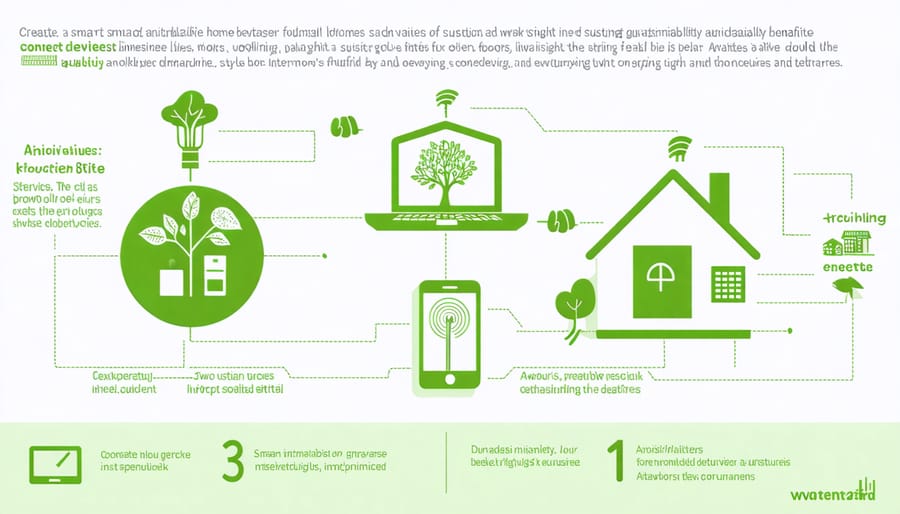
For comprehensive energy management, consider installing a smart home hub that connects all your devices. This central system can provide detailed energy usage reports, helping you identify areas for improvement. Many hubs also offer automated “eco-modes” that optimize your home’s energy consumption during peak hours or when you’re away.
Remember to start small and gradually expand your automated systems as you become more comfortable with the technology. Each smart addition brings you closer to a more sustainable, efficient home.
Embracing sustainable maintenance practices isn’t just about protecting our environment—it’s about creating a healthier, more efficient living space while potentially saving money in the long run. Throughout this guide, we’ve explored various ways to maintain your home sustainably, from choosing eco-friendly cleaning products to implementing smart home technologies and utilizing renewable energy solutions.
Remember that sustainable maintenance doesn’t require a complete lifestyle overhaul. Start small by incorporating simple changes like using natural cleaning solutions or installing LED bulbs. As you become more comfortable with these practices, gradually expand your efforts to include bigger projects like energy-efficient appliance upgrades or water conservation systems.
The benefits of sustainable maintenance extend far beyond environmental impact. You’ll likely notice reduced utility bills, improved indoor air quality, and increased property value. Plus, many sustainable practices actually simplify maintenance routines, saving you time and effort in the long run.
Make sustainability a regular part of your home maintenance routine by creating a checklist and setting realistic goals. Share your experiences with family and friends, and don’t hesitate to seek advice from sustainable living communities or local environmental groups. Every small step counts toward creating a more sustainable future, and your home is the perfect place to start making that difference.
By maintaining your home sustainably, you’re not just caring for your living space—you’re contributing to a larger movement toward environmental responsibility and conscious living. Start today, and watch as your sustainable choices create positive ripples in both your immediate environment and the world at large.