Embarking on a landscaping project can be exciting, but it’s also fraught with potential pitfalls. Many homeowners jump in headfirst without proper planning, leading to costly mistakes and disappointing results. Careful consideration and a well-thought-out strategy are essential for achieving the outdoor space of your dreams. Avoiding common errors can save you time, money, and a whole lot of frustration. Let’s delve into some frequent missteps and how to steer clear of them.
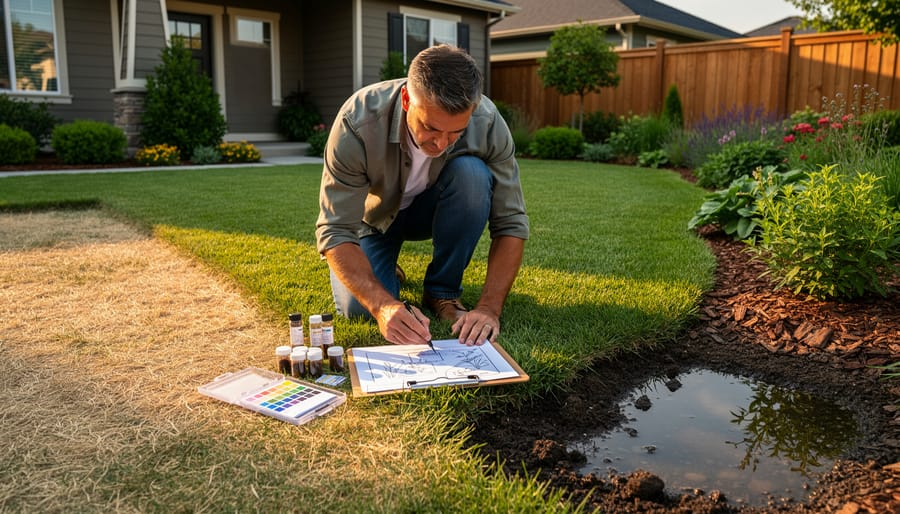
One of the initial mistakes is neglecting to plan properly. Before even thinking about plants and pavers, it’s vital to assess your site. Understanding the existing conditions, such as soil type, drainage, and sunlight exposure, is crucial. For example, if you’re living in Perth, Australia, you might want to consider a company specialising in landscaping in perth to get the best results. Without this foundational knowledge, you risk choosing plants that won’t thrive or creating features that are unsustainable.
Ignoring the site’s conditions
Failing to understand your property’s unique characteristics is a recipe for disaster. Different plants have different needs. Some thrive in full sun, while others prefer shade. Soil composition varies widely, from sandy to clay, and each type drains differently. Poor drainage can lead to waterlogged soil, which can kill many plants. Similarly, choosing plants that require acidic soil when your soil is alkaline will result in stunted growth and poor health. It is important to know what you are working with.
Consider the microclimates within your yard. Are there areas that are sheltered from the wind or exposed to harsh sunlight? These variations can significantly impact plant selection. Observe your yard throughout the day and during different seasons to get a comprehensive understanding of its conditions. This will inform your plant choices and ensure their long-term success. This can be done with some research and planning.
Neglecting the overall design
A haphazard approach to landscaping often leads to a disjointed and unappealing result. It’s essential to have a clear vision for your outdoor space and how it will complement your home. Consider the architectural style of your house and aim for a cohesive design that enhances its curb appeal. Think about the function of your yard and how you intend to use it. Do you want a relaxing retreat, a space for entertaining, or a play area for children?
Scale and proportion are also important considerations. Avoid overcrowding small spaces with large plants or features. Conversely, don’t let large areas feel empty and barren. A well-designed landscape creates a sense of balance and harmony. It should be both aesthetically pleasing and functional, meeting your needs while enhancing the beauty of your property. It is important to remember this while planning.
Common planting mistakes
Planting is a crucial aspect of any landscaping project, and several common mistakes can hinder the success of your garden. Choosing the wrong plants for your climate, planting them incorrectly, and neglecting their ongoing care are all potential pitfalls. Understanding these errors and how to avoid them will help you create a thriving and beautiful landscape. Proper research and preparation are key to successful planting.
Choosing the wrong plants
Selecting plants that are not suited to your climate or soil conditions is a common mistake. Before purchasing any plants, research their specific requirements. Consider factors such as hardiness zones, sunlight exposure, and soil pH. Opt for native plants whenever possible, as they are generally well-adapted to the local environment and require less maintenance. Native plants also support local ecosystems, providing food and habitat for native wildlife.
Avoid impulse buys based solely on aesthetics. While a particular plant may be visually appealing, it may not be the right choice for your yard. Read plant labels carefully and consult with local nurseries or gardening experts to ensure you’re selecting plants that will thrive in your specific conditions. A little research can save you a lot of disappointment and wasted money down the line.
Improper planting techniques
Even if you choose the right plants, improper planting techniques can doom them to failure. Digging a hole that is too small or too shallow can restrict root growth. Similarly, planting too deeply can suffocate the roots. When planting, dig a hole that is twice as wide as the root ball and just as deep. Gently loosen the roots before placing the plant in the hole.
Backfill the hole with soil, being careful not to compact it too tightly. Water thoroughly after planting to help settle the soil and eliminate air pockets. Mulch around the base of the plant to help retain moisture and suppress weeds. Following these simple steps will give your plants the best possible start. With some care, your plants will flourish.
Ignoring maintenance needs
Landscaping is not a one-time project; it requires ongoing maintenance to keep your yard looking its best. Neglecting essential tasks such as watering, fertilising, pruning, and weed control can quickly undo all your hard work. A well-maintained landscape not only enhances the beauty of your property but also increases its value. Regular maintenance is essential for long-term success.
Watering inadequately
Proper watering is crucial for plant health, but many homeowners either overwater or underwater their landscapes. Overwatering can lead to root rot, while underwatering can cause plants to wilt and die. The key is to find the right balance. Water deeply and less frequently, allowing the soil to dry out slightly between waterings. Consider using a soaker hose or drip irrigation system to deliver water directly to the roots.
Pay attention to the specific watering needs of different plants. Some plants, such as succulents and cacti, require very little water, while others, such as ferns and hydrangeas, need consistently moist soil. Adjust your watering schedule based on weather conditions and seasonal changes. Monitoring soil moisture levels will help you avoid overwatering or underwatering. Proper watering is key to a healthy landscape.
Failing to fertilise
Fertilising provides plants with the essential nutrients they need to thrive. Without adequate nutrients, plants may exhibit stunted growth, yellowing leaves, and poor flowering. Choose a fertiliser that is appropriate for the type of plants you are growing. Follow the instructions on the fertiliser label carefully, as over-fertilising can be just as harmful as under-fertilising. Organic fertilisers are a great option for improving soil health and providing slow-release nutrients.
Consider conducting a soil test to determine the specific nutrient deficiencies in your yard. This will help you choose the right fertiliser and apply it at the correct rate. Fertilise in the spring and fall to provide plants with a boost of nutrients during their active growing seasons. Regular fertilising will help your plants stay healthy and vibrant. A well-fed landscape is a thriving landscape.
Not pruning correctly
Pruning is essential for maintaining the shape, health, and vigour of trees and shrubs. However, improper pruning can cause damage and disfigurement. Learn the proper pruning techniques for each type of plant in your yard. Remove dead, diseased, or damaged branches to promote air circulation and prevent the spread of disease. Prune at the right time of year, as pruning at the wrong time can weaken plants.
Use sharp, clean pruning tools to make clean cuts. Avoid tearing or crushing branches, as this can create entry points for pests and diseases. When pruning shrubs, aim to maintain their natural shape. Avoid shearing them into unnatural shapes, as this can reduce flowering and create a dense, unattractive appearance. Proper pruning is essential for a healthy and attractive landscape.
Ignoring hardscaping elements
Hardscaping elements, such as patios, walkways, and retaining walls, play a vital role in the overall design and functionality of your landscape. Neglecting these elements can lead to structural problems, safety hazards, and an unappealing appearance. Proper planning, installation, and maintenance are essential for ensuring the longevity and beauty of your hardscaping features.
Poor installation
Improper installation of hardscaping elements can lead to a host of problems. Patios and walkways that are not properly graded can develop drainage issues. Retaining walls that are not built correctly can collapse. Poorly installed irrigation systems can leak and waste water. Hiring experienced professionals to install your hardscaping features is crucial for ensuring their long-term stability and functionality.
Ensure that all hardscaping elements are installed according to local building codes and regulations. Use high-quality materials that are appropriate for your climate and soil conditions. Pay attention to details such as proper drainage, compaction, and jointing. A well-installed hardscape will not only look beautiful but also provide years of reliable service. Quality installation is worth the investment.
Neglecting maintenance
Hardscaping elements require regular maintenance to keep them looking their best and functioning properly. Patios and walkways should be cleaned regularly to remove dirt, debris, and stains. Retaining walls should be inspected for cracks and damage. Irrigation systems should be checked for leaks and clogs. Addressing these issues promptly will prevent them from escalating into more significant problems.
Seal patios and walkways to protect them from the elements and prevent staining. Repair any cracks or damage to retaining walls to prevent further deterioration. Adjust irrigation systems as needed to ensure that plants are receiving adequate water. A well-maintained hardscape will enhance the beauty and value of your property for years to come. Regular maintenance is key to longevity.