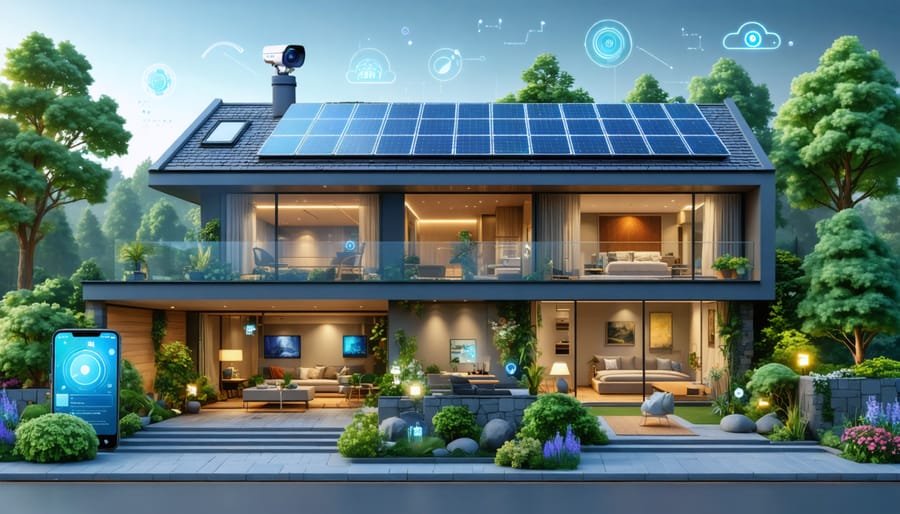
Transform your home into an energy-efficient sanctuary with today’s cutting-edge technologies that slash utility bills while protecting our planet. Modern smart security systems and energy management solutions now work together seamlessly, offering unprecedented control over your home’s energy consumption without sacrificing comfort or safety.
Recent advances in smart home technology have made it possible to reduce energy usage by up to 30% through automated temperature control, intelligent lighting systems, and real-time energy monitoring. These innovations not only decrease your carbon footprint but also deliver substantial monthly savings while maintaining optimal living conditions year-round.
Whether you’re building a new home or upgrading your existing space, energy-efficient technologies offer practical solutions that pay for themselves through reduced utility costs. From smart thermostats that learn your schedule to solar-powered security features, today’s energy-saving options combine environmental responsibility with modern convenience, making it easier than ever to create a sustainable, comfortable living space.
This guide explores the most effective energy-efficient technologies available today, helping you make informed decisions about which solutions best fit your home and lifestyle.
Smart Security Cameras That Save Power
Solar-Powered Security Solutions
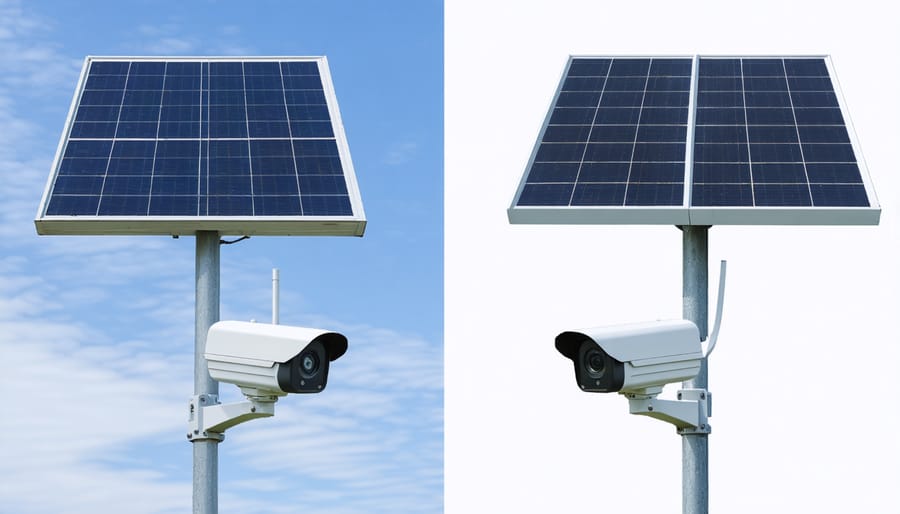
Today’s solar-powered home security solutions offer an impressive blend of safety and sustainability. These innovative devices harness the sun’s energy to keep your property secure while eliminating the need for traditional power sources and reducing your energy bills.
Solar-powered security cameras are particularly noteworthy, featuring built-in solar panels that continuously charge their batteries during daylight hours. Most models can store enough power to operate for several days, even during cloudy weather or nighttime. This reliable performance means you won’t have to worry about power outages compromising your home’s security.
Installation is surprisingly straightforward – simply mount the camera where it receives adequate sunlight and connect it to your home’s Wi-Fi network. Many models come with weather-resistant construction and require minimal maintenance beyond occasional cleaning of the solar panel.
The benefits extend beyond energy savings. These cameras typically offer advanced features like motion detection, night vision, and real-time mobile alerts. Since there’s no need for electrical wiring, you have more flexibility in camera placement, and you won’t have to deal with unsightly cables running along your home’s exterior.
For the best results, position your solar security cameras on south-facing walls or areas that receive 4-6 hours of direct sunlight daily. Consider installing multiple units to create a comprehensive security perimeter that’s both eco-friendly and effective.
Motion-Activated Systems
Motion-activated systems are game-changers when it comes to reducing your home’s energy consumption while maintaining security and convenience. These smart systems automatically turn lights and devices on when they detect movement and switch them off when an area is vacant, eliminating the waste of powering unused spaces.
The magic happens through infrared sensors that detect changes in heat patterns, making them incredibly reliable at distinguishing human presence. When you install these systems in key areas like hallways, bathrooms, and outdoor spaces, you can save up to 30% on your lighting costs alone.
For maximum efficiency, consider placing sensors in areas with intermittent traffic, such as storage rooms, garages, and laundry areas. Modern motion sensors can be adjusted for sensitivity and timing, allowing you to customize how long lights stay on after movement stops. A sweet spot is usually between 1-5 minutes for indoor spaces and 5-10 minutes for outdoor areas.
Pro tip: Combine motion sensors with LED bulbs for an extra energy-saving boost. The instant-on capability of LEDs works perfectly with motion detection, and you won’t have to worry about frequent switching affecting bulb life. For outdoor security, look for motion-activated lights with adjustable ranges and zones to prevent false triggers from passing cars or swaying trees.
Remember to place sensors at optimal heights and angles – typically at corner locations about 6-8 feet high – to ensure comprehensive coverage without creating dead zones.
Smart Lighting Integration
LED Security Lights
LED security lights have revolutionized home protection by combining powerful illumination with remarkable energy efficiency. These modern fixtures use up to 75% less energy than traditional halogen security lights while lasting up to 25 times longer. For homeowners concerned about both safety and utility bills, LED security lights offer the perfect solution.
One of the biggest advantages of LED security lights is their instant-on capability – no warm-up time needed. When motion is detected, they immediately flood the area with bright, clear light that effectively deters potential intruders. The quality of light is also superior, providing true-to-life colors that make it easier to identify people or objects in your security footage.
Most LED security lights now come with smart features like adjustable sensitivity, programmable timers, and even smartphone connectivity. You can customize the coverage area and light intensity to suit your property’s specific needs. Plus, their durability means they can withstand harsh weather conditions without compromising performance.
Installation is typically straightforward, making them an excellent DIY project for most homeowners. Look for models with adjustable heads to maximize coverage and consider options with backup batteries for continued protection during power outages. With minimal maintenance requirements and lower electricity costs, LED security lights quickly pay for themselves while providing reliable protection for your home.
Automated Scheduling
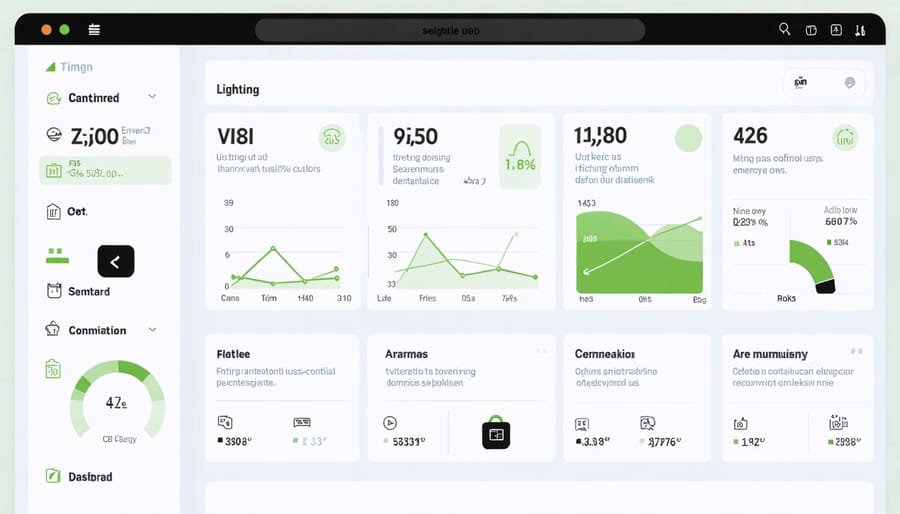
One of the most effective ways to reduce energy consumption is through intelligent scheduling of your home’s systems. Modern automated scheduling features work like a thoughtful assistant, ensuring your home uses energy only when needed. By integrating smart lighting automation and other scheduling tools, you can significantly cut down on unnecessary power usage without sacrificing comfort.
Think of it as having your home run on autopilot: lights automatically dim or turn off in empty rooms, thermostats adjust based on your daily routine, and appliances power down during peak energy hours. You can set custom schedules that align with your lifestyle – like having the heating system warm up just before you wake up and power down when you’re at work.
The beauty of automated scheduling lies in its set-and-forget nature. Once configured, these systems learn from your patterns and make automatic adjustments. They can detect when you’re home or away, adjust for seasonal changes, and even respond to real-time energy pricing from your utility company.
For best results, start with basic scheduling for your most energy-hungry systems: HVAC, water heater, and lighting. Then gradually expand to other appliances as you become more comfortable with the technology. Many systems also offer smartphone control, letting you make adjustments even when you’re away from home.
Smart Doorbell and Entry Systems
Low-Power Video Doorbells
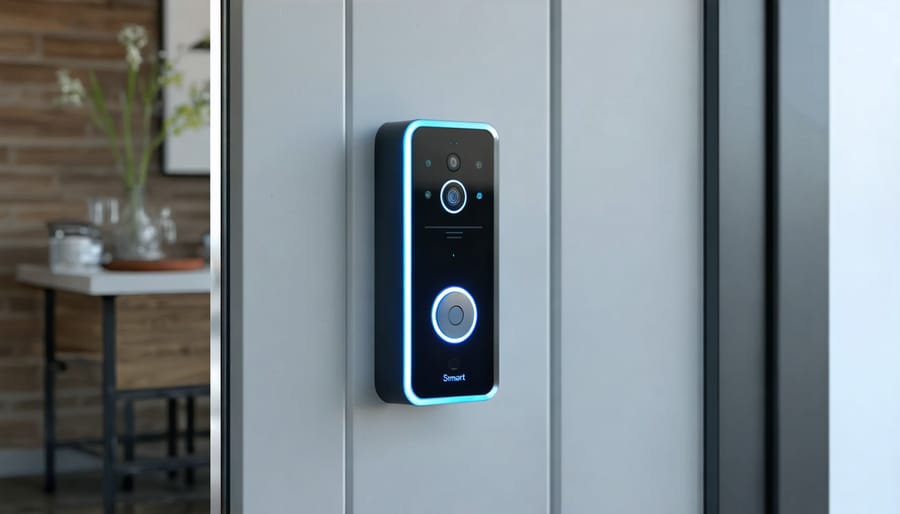
Modern video doorbells have revolutionized home security, but not all of them are created equal when it comes to energy efficiency. Low-power video doorbells are designed to provide reliable security while minimizing energy consumption, making them an excellent choice for eco-conscious homeowners.
These innovative devices use advanced power management features like motion-activated recording and customizable detection zones to conserve energy. Instead of continuously recording, they only activate when someone approaches your door or enters a designated area. Many models also utilize efficient LED lighting and optimize video quality based on available bandwidth, further reducing power usage.
Battery-powered options typically run for 3-6 months on a single charge, while hardwired versions draw minimal power from your existing doorbell wiring. Look for models with features like low-power night vision and adjustable video quality settings to maximize energy savings without compromising security.
To get the most from your low-power video doorbell, consider positioning it away from high-traffic areas to reduce unnecessary activations. Most models also offer scheduling options, allowing you to customize recording times and motion sensitivity based on your daily routine. This smart approach to home security proves that keeping your home safe doesn’t have to mean high energy bills.
Smart Lock Solutions
Smart locks have revolutionized home security while keeping energy efficiency in mind. Today’s battery-powered smart locks can last anywhere from 6 months to a year on a single set of batteries, making them an excellent choice for eco-conscious homeowners. Most models use standard AA or AAA batteries, eliminating the need for hardwiring or complex installation.
These innovative devices offer multiple entry methods, including keypads, fingerprint sensors, and smartphone connectivity, all while maintaining minimal power consumption. Many smart locks feature power-saving modes that activate when the lock isn’t in use, and some even include low-battery alerts sent directly to your phone, preventing any unexpected lockouts.
To maximize battery life, look for models with Bluetooth Low Energy (BLE) technology rather than Wi-Fi-only connections. BLE smart locks use significantly less power while still providing reliable connectivity to your smartphone. Some advanced models even incorporate energy-harvesting technology, using the mechanical energy from turning the lock to help extend battery life.
For added convenience, many smart locks integrate with home automation systems, allowing you to check lock status and manage access remotely without draining excessive power. This combination of security and energy efficiency makes smart locks an intelligent choice for modern homes.
Integration and Automation Tips
Making your home both secure and energy-efficient doesn’t have to be complicated. The key lies in smart integration and thoughtful automation. Here’s how you can seamlessly blend these technologies for maximum benefit.
Start by creating zones in your home based on usage patterns. Group your security and energy devices according to these zones – for instance, combining motion sensors with smart lighting in less-frequented areas like hallways or basements. This way, lights only activate when movement is detected, saving energy while maintaining security.
Consider implementing scheduling and scene creation. Set up “away” modes that automatically adjust thermostats, turn off unnecessary devices, and activate security features. Similarly, “home” modes can optimize comfort while maintaining energy efficiency. Modern AI-powered energy management systems can learn your habits and make these adjustments automatically.
Here are some practical integration tips:
1. Use smart plugs to control vampire energy drain from security cameras and other always-on devices during low-risk periods
2. Connect outdoor motion sensors to both security alerts and landscape lighting
3. Install smart thermostats that work with your security system to adjust temperatures based on occupancy
4. Utilize smart blinds that coordinate with both security settings and natural light optimization
For automation, focus on creating logical sequences. When your security system arms at night, program it to:
– Lower thermostat settings
– Turn off non-essential lights
– Close smart blinds
– Activate perimeter lighting
– Enable camera systems
Remember to regularly review and adjust your automation routines. Seasonal changes, schedule modifications, and new household patterns should all trigger updates to your integrated system settings.
The most successful integrations start small and expand gradually. Begin with one room or zone, perfect the automation, then expand to other areas. This approach helps you understand what works best for your specific needs while avoiding overwhelming complexity.
Finally, ensure all your devices can communicate effectively by choosing compatible products or using a hub that can bridge different protocols. This compatibility is crucial for creating a truly integrated, energy-efficient security system that works seamlessly with your daily routine.
As we’ve explored throughout this article, energy-efficient security technologies offer the perfect blend of protection and sustainability for modern homes. By investing in smart lighting systems, motion sensors, and energy-saving cameras, you’re not just securing your home – you’re also taking meaningful steps toward reducing your environmental impact and monthly utility bills.
The future of home security looks even brighter, with emerging technologies focusing on even greater energy efficiency. We’re seeing the development of solar-powered security devices, ultra-efficient LED systems, and AI-powered solutions that can learn your household patterns to optimize both security and energy usage.
Remember that making your home security system more energy-efficient doesn’t mean compromising on safety. In fact, many of today’s energy-saving security solutions offer enhanced features and better performance than their traditional counterparts. From smart thermostats that double as security monitors to motion sensors that only activate when needed, these technologies prove that efficiency and effectiveness can go hand in hand.
As you upgrade your home security system, consider starting with one or two energy-efficient devices and gradually expanding your setup. This approach allows you to learn each technology thoroughly while spreading out the initial investment. With proper planning and implementation, you’ll create a security system that protects both your home and our planet’s resources.
Stay informed about new developments in this field, as manufacturers continue to innovate with even more efficient and powerful security solutions. The investment you make today in energy-efficient security technology will pay dividends in both safety and savings for years to come.