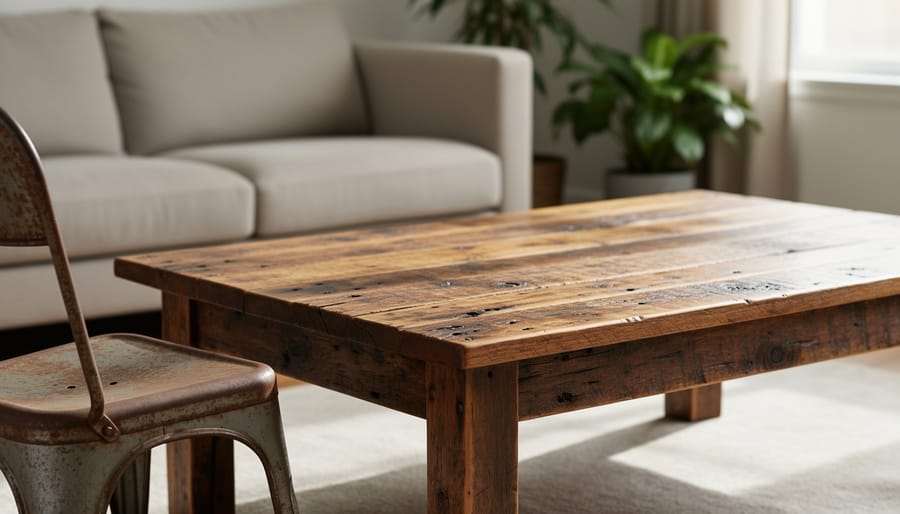
Recycled furniture is any piece made from reclaimed, repurposed, or previously used materials that have been given a second life instead of ending up in a landfill. This includes tables crafted from salvaged barn wood, chairs rebuilt with reclaimed metal, and dressers transformed from old shipping pallets. As homeowners in 2026 look for ways to reduce their environmental footprint, recycled furniture has moved from niche craft fairs into mainstream retail and home design catalogs.
The appeal goes beyond environmental responsibility. Recycled furniture often carries unique character that mass-produced pieces simply can’t replicate. A coffee table made from reclaimed factory floorboards tells a story through every scratch and weathered grain pattern. Plus, choosing recycled options can save you money while supporting local artisans and small businesses who specialize in creative reuse.
This guide walks you through everything you need to know about recycled furniture, from understanding how different materials get transformed into functional pieces to identifying which types work best in your space. You’ll learn what to look for when shopping, discover DIY projects you can tackle yourself, and get practical tips for mixing recycled pieces with your existing decor. Whether you’re furnishing your first apartment or refreshing a longtime home with eco-friendly materials recycled furniture offers an accessible entry point into sustainable living without sacrificing style or quality.
What Recycled Furniture Really Means
Recycled furniture gives discarded materials a second life as functional, finished pieces for your home. Instead of raw materials heading to a factory for the first time, recycled furniture starts with something that already existed, old chairs, salvaged wood, scrapped metal, worn textiles, or industrial waste, and transforms it into something you’d actually want to live with.
The core concept is straightforward: take materials from furniture or products that have reached the end of their useful life, process them, and craft them into new pieces. This isn’t about slapping a fresh coat of paint on a yard-sale find (though that has its place). True recycled furniture involves breaking down, reprocessing, or significantly reimagining materials so they become structurally sound, aesthetically appealing furniture.
- Recycled Furniture
- Furniture made from materials salvaged from end-of-life products or waste streams, processed and transformed into new functional pieces. The materials may be broken down and reformed or repurposed in their existing state.
- Upcycled Furniture
- A creative subset of recycling where discarded items are transformed into higher-value pieces without breaking them down completely, often preserving original character while improving function or aesthetics. An old door becoming a dining table is upcycling.
- Reclaimed Furniture
- Furniture built primarily from salvaged architectural materials like barn wood, factory beams, or vintage hardware that retain their original form and patina. Reclaimed pieces celebrate the material’s history and weathered beauty.
- Post-Consumer Materials
- Items that consumers have already used and discarded, such as plastic bottles, old denim, or scrapped furniture components. These materials form the feedstock for many recycled furniture pieces.
Many people use these terms interchangeably, but there are distinctions. Recycled furniture is the umbrella category. Upcycled furniture tends to preserve more of the original item’s identity while elevating its purpose, think shipping pallets reimagined as a bed frame. Reclaimed furniture focuses specifically on salvaged building materials, celebrating their aged character. All three reduce waste and give materials new purpose, but the process and end result look different.
What they share is this: recycled furniture keeps perfectly good materials out of landfills and turns them into pieces with personality, purpose, and a smaller environmental footprint than conventional manufacturing.
How Recycled Furniture Is Made
Where Recycled Materials Come From
Recycled furniture materials come from surprisingly diverse sources, each offering distinct characteristics and quality levels. Demolition and renovation sites yield some of the most coveted materials, century-old hardwood flooring, architectural elements, and structural timbers that often exceed modern lumber in density and grain beauty. These materials require careful inspection for nails, lead paint, or structural damage before use.
Discarded furniture itself becomes a primary source. Thrift stores, estate sales, and curbside finds provide solid wood frames, metal components, and upholstery materials. Quality here varies wildly; look for hardwood construction and dovetail joints rather than particle board.
Industrial facilities contribute metal offcuts, wooden pallets, shipping crates, and manufacturing scraps. While functionally sound, these materials may need extensive cleaning and finishing.
Consumer donation programs and furniture take-back initiatives channel end-of-life pieces to artisans and manufacturers. The best recycled furniture makers are selective, choosing materials with structural integrity and aesthetic potential while rejecting pieces too damaged or contaminated to safely repurpose. This selectivity ensures the final product matches or exceeds conventional furniture standards.
The Transformation Process
Once raw materials are collected, they undergo a series of transformation steps that turn weathered, discarded pieces into furniture ready for your home.
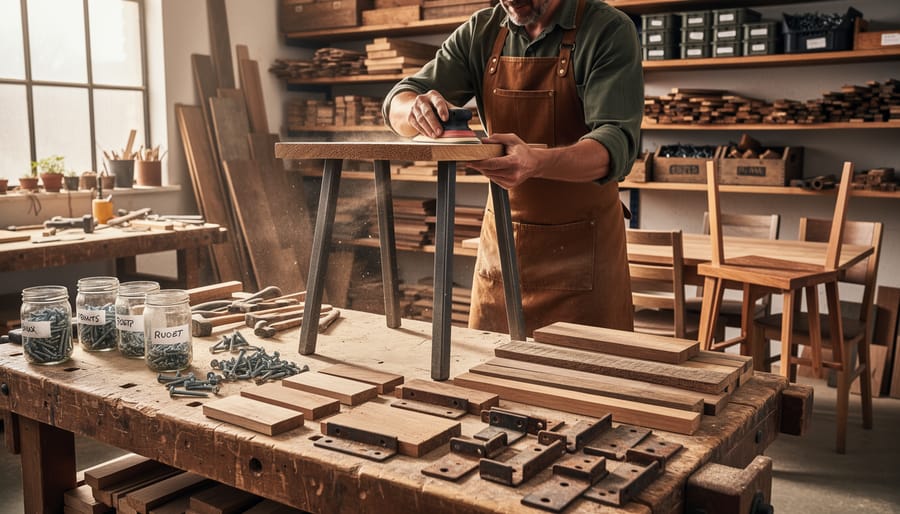
Cleaning and preparation comes first. Artisans remove dirt, old finishes, nails, and hardware. Wood gets sanded to reveal fresh grain beneath years of grime. Metal pieces are stripped of rust and corrosion. This stage also includes inspecting for structural damage, rot, or weakness that could compromise the final piece.
Repair and reinforcement addresses any issues discovered during cleaning. Cracked wood gets filled and stabilized. Loose joints are re-glued or reconstructed. Bent metal is straightened or intentionally shaped for character. The goal is creating a structurally sound foundation while preserving the material’s authentic patina and history.
Modification and assembly transforms materials into new forms. A barn door becomes a dining table top. Shipping pallets are deconstructed and rebuilt into a bookshelf. This creative stage requires both carpentry skills and design vision to reimagine what salvaged materials can become.
Finishing touches protect and beautify the piece. Natural oils, stains, or sealants enhance wood grain while providing durability. Metal gets powder-coated or waxed. The finish balances preserving the recycled character with making furniture suitable for daily use.
Categories of Recycled Furniture
By Material Type
Recycled wood furniture dominates the market and brings instant warmth to any space. Pallet wood pieces have surged in popularity because pallets are widely available and surprisingly versatile. You’ll find coffee tables, bed frames, and wall shelving crafted from these heat-treated hardwood slats. Reclaimed barn wood offers richer character with weathered textures, natural patinas, and authentic age marks that new wood simply can’t replicate. Old furniture gets deconstructed too, Victorian dresser drawers become floating shelves, dining table legs transform into coat racks, and cabinet doors find new life as headboards or decorative wall panels.
Metal furniture tells industrial stories. Recycled steel from construction sites, old factory fixtures, and automotive parts create striking modern pieces with raw, edgy appeal. You’ll see table bases made from salvaged pipes, chairs welded from automotive frames, and shelving units incorporating factory carts or filing cabinet components. These pieces typically showcase the metal’s history through patinas, spot welds, and purposeful imperfections that designers preserve rather than erase.
Plastic furniture has evolved beyond basic outdoor chairs. Modern recycled plastic now comes from ocean cleanup efforts and post-consumer waste, transformed into durable outdoor seating, planters, and weather-resistant tables. High-density polyethylene and composite formulations rival conventional materials in strength while diverting waste from landfills.
Mixed-material designs combine these elements for visual interest and structural benefits. A dining table might pair reclaimed wood planks with steel I-beam legs, or a storage unit could feature metal frames with recycled plastic drawer fronts. These combinations highlight each material’s strengths while creating distinctive, conversation-starting furniture that reflects thoughtful design rather than simple salvage.
By Furniture Function
Recycled furniture spans every room and function in your home. Seating options include dining chairs crafted from reclaimed wood with metal frames salvaged from old machinery, lounge chairs upholstered in repurposed textiles, and outdoor benches assembled from composite plastic lumber made entirely from recycled bottles. Many artisans create one-of-a-kind accent chairs by combining materials, think old ladder backs paired with woven fabric seats.
Tables and desks offer remarkable variety, from coffee tables built atop salvaged window frames to dining tables featuring tops made from reclaimed barn doors or deconstructed shipping pallets. Industrial-style desks often incorporate steel legs from dismantled equipment paired with thick wood planks. Smaller side tables might feature bases made from repurposed machinery parts or vintage sewing machine stands.
Storage solutions transform discarded materials into functional organization. Old crates become open shelving, vintage lockers serve as entryway storage, and reclaimed wood finds new life as dressers and cabinets. Some makers construct bookcases from salvaged scaffolding boards or create credenzas using wood from demolished buildings, often finished with earth-safe paints to protect the material while maintaining sustainability.
Outdoor furniture particularly benefits from recycled plastic lumber, which resists weathering while diverting waste from landfills. You’ll also find Adirondack chairs made from milk jugs, patio sets constructed from reclaimed teak, and planters fashioned from repurposed metal drums.
Where and How to Use Recycled Furniture
Recycled furniture works beautifully in nearly every room of your home, and the key is treating each piece as you would any other carefully chosen furnishing, by considering scale, function, and how it complements your existing style.
In living rooms, a reclaimed wood coffee table or recycled metal shelving unit can serve as a striking focal point while grounding the space with natural texture. Pair these pieces with softer elements like earth-friendly fabric upholstery on your sofa or chairs to balance the industrial or rustic character recycled materials often bring. The contrast creates visual interest without overwhelming the room.
Bedrooms benefit from recycled furniture that adds warmth and personality. A headboard fashioned from old doors or barn wood introduces instant character, while a refinished vintage dresser provides both storage and a conversation piece. These statement items work particularly well when surrounded by simpler, neutral bedding and decor that lets the recycled piece shine.
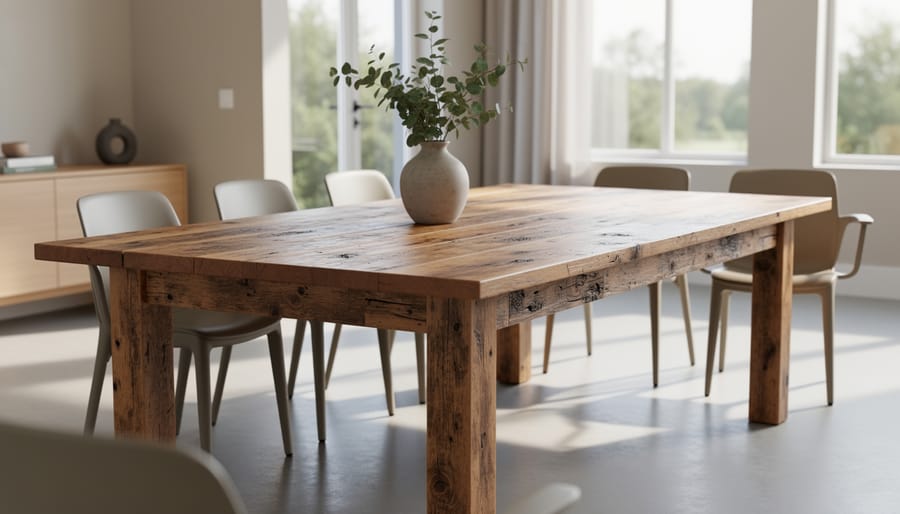
Dining spaces are ideal for recycled furniture since tables and benches made from reclaimed materials handle daily use beautifully and develop more character over time. Mix a substantial recycled wood dining table with newer chairs for an eclectic, curated look, or commit fully to the aesthetic with matching recycled seating.
For home offices, recycled furniture offers a perfect blend of functionality and sustainability. Industrial-style desks made from reclaimed factory materials or shelving units constructed from repurposed wood provide sturdy, spacious work surfaces while reinforcing your environmental values in a space where you spend significant time.
When matching recycled furniture to your design aesthetic, industrial styles naturally embrace exposed metal, raw wood, and visible joinery. Farmhouse and rustic interiors welcome distressed finishes and weathered textures. Modern minimalist spaces can incorporate sleek recycled pieces with clean lines and subtle finishes that don’t announce their origins but quietly align with sustainable values. Scandinavian and coastal styles pair recycled wood furniture with light colors and natural materials for an airy, organic feel.
The most successful approach treats recycled furniture as quality pieces that happen to have an eco-friendly backstory, not as novelty items that dominate your design.

Benefits and Considerations

Choosing recycled furniture delivers genuine environmental benefits while adding character to your home, but it’s worth understanding both the advantages and practical realities before you commit.
From an environmental standpoint, recycled furniture directly reduces landfill waste by giving materials a second life rather than letting them decompose or incinerate. Manufacturing new furniture from virgin materials typically produces significant carbon emissions through harvesting, processing, and transportation, recycled pieces sidestep much of that energy-intensive cycle. You’re also conserving natural resources: every recycled wood table means fewer trees felled, every metal chair means less mining. These aren’t abstract benefits; they’re measurable impacts that compound as more people make similar choices.
The aesthetic appeal runs deeper than environmental virtue. Recycled furniture carries inherent character, grain patterns from century-old barn wood, patina on salvaged metal, the visible history in reclaimed door panels. These aren’t flaws; they’re features that make each piece genuinely one-of-a-kind. A coffee table built from shipping pallets becomes a conversation piece in ways a mass-produced alternative never will. This distinctiveness fits beautifully into industrial, farmhouse, and eclectic design schemes that celebrate texture and story over uniformity.
Cost is less straightforward than you might expect. DIY eco-friendly DIY projects using salvaged materials can be remarkably affordable, often just the price of hardware and finish. Professionally crafted artisan pieces, however, frequently cost as much or more than conventional furniture because skilled labor and limited production drive prices up. You’re paying for craftsmanship and uniqueness, not volume manufacturing efficiencies.
Practical considerations matter too. Durability varies widely depending on material quality and construction skill. Well-made recycled furniture can outlast new pieces, but poorly executed projects may wobble or wear prematurely. Maintenance often requires more attention, unfinished reclaimed wood needs periodic sealing, metal develops rust if not protected, and structural repairs may demand creative solutions since replacement parts don’t exist. Sourcing presents its own challenge: finding exactly what you want takes patience, legwork, and sometimes compromise on dimensions or finish.
DIY Recycled Furniture Projects for Beginners
Creating your own recycled furniture is easier than you might think, and you don’t need a woodworking degree to get started. With a few basic tools and salvaged materials, you can build functional, attractive pieces that add character to your home while keeping waste out of landfills.
Three Beginner-Friendly Projects
A pallet coffee table makes an ideal first project. Standard shipping pallets, often free from local businesses, can be sanded smooth, stacked for height, and topped with glass or left natural. The entire build requires only sandpaper, wood screws, and your choice of finish. Look for heat-treated pallets (marked “HT”) rather than chemically treated ones.
Wooden crate shelving offers even simpler construction. Wine crates, apple boxes, or sturdy shipping crates can be mounted directly to walls or stacked and secured to create modular storage. Sand any rough edges, apply finish if desired, and mount using L-brackets or wood screws into wall studs.
An old solid-wood door transforms into a striking headboard with minimal effort. Vintage doors with interesting panel details or original hardware bring instant personality. Simply sand, clean, add mounting hardware to the back, and finish to match your bedroom aesthetic.
Essential Tools and Materials
You’ll need basic supplies to start: medium and fine-grit sandpaper or an orbital sander, wood screws and a drill, measuring tape, safety glasses and dust mask, and wood glue for reinforcement. For finishing, choose paints, stains, or sealers appropriate for your project’s location and use.
Find materials at construction sites (ask permission first), architectural salvage yards, community buy-nothing groups, curbside discards on trash day, and local businesses disposing of pallets or crates. Inspect everything for structural soundness, avoid pieces with rot, severe splitting, or pest damage.
Expert Finishing Tips
Proper surface preparation makes the difference between amateur and polished results. Sand thoroughly in the direction of the grain, progressing from coarser to finer grits. Remove all dust with a tack cloth before applying any finish.
When selecting finishes, consider using no-VOC furniture products to minimize indoor air pollutants, especially for bedroom pieces. Apply thin coats rather than one thick layer, allowing proper drying time between applications.
Seal outdoor furniture with exterior-grade polyurethane or marine varnish to protect against moisture and UV damage. For pieces that will see heavy use, add felt pads to bottoms and apply extra protective coats to high-contact surfaces like tabletops.
Where to Find Quality Recycled Furniture
Finding well-crafted recycled furniture takes a bit of exploration, but the options in 2026 are more accessible than ever. Start by browsing online marketplaces like Etsy, where independent makers showcase handcrafted pieces with detailed descriptions and photos. Facebook Marketplace and Craigslist can yield unexpected finds, though you’ll need to vet sellers carefully and inspect items in person when possible. Dedicated platforms like Chairish and Aptdeco curate higher-end recycled and vintage furniture with some quality vetting already done.
Local artisan studios and furniture makers often work directly with recycled materials and welcome custom requests. Visit their workshops if you can, seeing the work environment and meeting the maker tells you a lot about craftsmanship standards. Architectural salvage yards are treasure troves for reclaimed wood pieces and unique finds, though you might need to commission someone to transform raw materials into finished furniture.
When evaluating any piece, consider these sourcing options and what to watch for:
- Online marketplaces, request additional photos, ask about materials and finishes, check seller ratings and return policies
- Local maker studios, inspect joinery and finishing quality, discuss material sourcing, inquire about warranties or repairs
- Salvage yards, assess structural soundness, check for rot or pest damage in wood, verify dimensions fit your space
- Specialty retailers, understand markup versus maker-direct pricing, confirm pieces meet safety standards
- Maker fairs and markets, meet artisans face-to-face, see multiple works to gauge consistency, negotiate pricing directly
Look for solid construction with tight joints, smooth finishes free of splinters or sharp edges, and stable bases that don’t wobble. Ask about the materials used, how they were treated, and what finishes were applied. Quality recycled furniture should feel sturdy and well-balanced, with thoughtful design details that show care in execution. Don’t hesitate to ask questions about durability, maintenance needs, and whether replacement parts are available if something breaks down the line.
Common Questions About Recycled Furniture
Most people considering recycled furniture have practical questions about how these pieces hold up in everyday life. Here are answers to the concerns we hear most often.
Is recycled furniture as durable as new furniture?
Well-made recycled furniture often matches or exceeds the durability of mass-produced new pieces, especially when crafted from old-growth wood or heavy industrial materials. The key is workmanship, professionally restored pieces with reinforced joinery and proper finishing typically outlast particle-board alternatives.
How much does recycled furniture typically cost?
Prices vary widely, from budget-friendly DIY projects under $50 to custom artisan pieces costing several thousand dollars. Mid-range commercially produced recycled furniture generally falls within the same price bracket as quality conventional furniture, though one-of-a-kind pieces command premium pricing.
Does recycled furniture require special maintenance?
Most recycled furniture needs no more care than conventional pieces. Wood surfaces benefit from occasional conditioning, metal components may need rust prevention in humid climates, and any piece should be kept away from extreme moisture or direct sunlight just like standard furniture.
Is there a risk of toxins in recycled materials?
Reputable makers test materials and apply safe finishes, but older wood can contain lead paint or chemical treatments. If buying vintage pieces or sourcing your own materials, follow EPA guidance on lead safety and strip questionable finishes before refinishing.
Beyond these core questions, many homeowners wonder whether recycled furniture fits with contemporary design schemes. The answer is absolutely yes. Modern recycled pieces often feature clean lines, minimalist hardware, and neutral finishes that blend seamlessly with sleek interiors. You’re not limited to rustic farmhouse aesthetics, industrial metal-and-wood desks, streamlined reclaimed teak dining tables, and geometric shelving units made from repurposed materials all work beautifully in modern spaces.
Customization is another advantage worth noting. Unlike mass-produced furniture locked into standard dimensions and finishes, many recycled furniture makers welcome custom requests. You can often specify size, stain color, hardware style, and functional modifications to suit your exact needs and space constraints.
Structural integrity concerns are valid but manageable. Inspect any piece before purchase, checking for solid joinery, stable legs, and secure hardware. Wobbly construction isn’t a feature of recycled materials, it’s a sign of poor craftsmanship. A well-built recycled chair or table should feel rock-solid, with tight joints and even weight distribution. If you’re buying online, request detailed photos of joints and undercarriage construction, and don’t hesitate to ask the maker about reinforcement methods and weight capacity.
Choosing recycled furniture in 2026 isn’t just about reducing waste or saving money, though those benefits matter. It’s about bringing pieces into your home that tell a story, that connect you to a larger movement of mindful consumption, and that reflect your personal style in ways mass-produced furniture simply can’t.
Whether you’re drawn to the industrial edge of reclaimed metal, the warmth of salvaged wood, or the creative ingenuity of DIY projects, there’s a recycled furniture option that fits your space and budget. You don’t need to furnish an entire room overnight. Start with one statement piece, a coffee table or bookshelf that catches your eye, and see how it transforms the feel of your space.
The beauty of recycled furniture lies in its flexibility. You can shop local artisan markets, browse online platforms, or roll up your sleeves and create something yourself. Each approach offers its own rewards.
As you move forward, remember that every recycled piece you choose keeps materials out of landfills while adding character and uniqueness to your home. That’s a design choice worth celebrating.