# Health Hazards in Construction: Protecting Your Home and Family
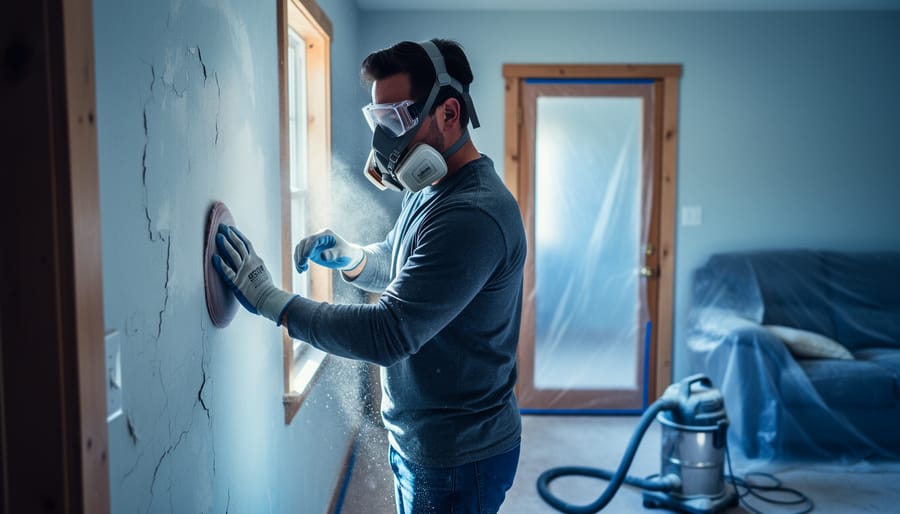
That exciting kitchen remodel or bathroom upgrade comes with hidden dangers you need to know about. Construction work in your home—whether you’re DIYing or hiring professionals—exposes everyone in your household to serious health risks that many homeowners don’t anticipate until it’s too late.
Airborne dust from demolition can trigger respiratory problems and aggravate asthma. Lead paint disturbance in older homes poses severe neurological risks, especially to children and pregnant women. Chemical fumes from adhesives, paints, and sealants release volatile organic compounds that cause headaches, dizziness, and long-term health complications. Mold exposure during wall removal can lead to allergic reactions and breathing difficulties. Asbestos in vintage flooring and insulation creates life-threatening conditions when fibers become airborne.
The good news? Understanding these hazards puts you in control. Most construction-related health issues are completely preventable when you know what to look for and how to protect yourself. Whether you’re planning a minor update or a major renovation, recognizing potential dangers before you start swinging that sledgehammer makes all the difference between a successful project and a health crisis.
This guide walks you through the most common health hazards in residential construction, from identifying risks specific to your home’s age and materials to implementing practical safety measures. You’ll learn when to call in specialists, what protective equipment actually works, and how to keep your family safe while transforming your living space. Let’s make sure your dream renovation doesn’t become a nightmare for your health.
Understanding Construction Health Hazards in Your Home
When you start tearing down walls or sanding floors at home, you’re potentially unleashing health hazards that construction professionals are trained to handle—but most homeowners aren’t. Construction health hazards include airborne particles like dust and mold spores, chemical fumes from paints and adhesives, and physical dangers like asbestos or lead that may be hiding in older homes. What makes these risks particularly concerning in residential settings is that unlike commercial jobsites with strict safety protocols, your home becomes both the work zone and your living space simultaneously.
The distinction between acute and chronic exposure is important to understand. Acute exposure happens when you’re suddenly affected by something—like feeling dizzy from paint fumes or developing a rash from touching fiberglass insulation. Chronic exposure is more insidious: it occurs gradually over weeks or months, such as breathing in fine dust particles that accumulate in your lungs or absorbing low levels of chemical vapors that affect your respiratory system over time.
Here’s the challenge: professional contractors arrive with respirators, protective clothing, ventilation equipment, and knowledge about containment procedures. When you tackle DIY renovation projects, you’re often working with basic dust masks (if any protection at all) and limited understanding of which materials pose serious risks. You might not realize that seemingly simple tasks like removing old tile or stripping wallpaper can release harmful substances that linger in your home’s air long after the work is done, affecting your family’s health for weeks or even months.
Airborne Threats: Dust, Particles, and Respiratory Hazards
Silica Dust from Cutting and Grinding
Silica dust is one of the most serious construction health hazards you can encounter during home renovations, yet many DIY enthusiasts don’t realize they’re being exposed. This fine crystalline powder is released when you cut, grind, drill, or sand materials containing silica—think concrete, brick, stone, mortar, and tile. It’s nearly invisible but incredibly dangerous.
Common renovation activities that create silica dust include cutting concrete slabs for new doorways, grinding mortar when removing old tile, sawing pavers for walkways, and drilling into masonry walls for anchors. Even breaking up a small concrete patio can send clouds of this hazardous material into the air.
The health impacts are severe. Breathing silica dust can cause silicosis, an incurable lung disease that scars your lung tissue and makes breathing progressively difficult. The respiratory health risks from silica also include increased chances of lung cancer, chronic bronchitis, and kidney disease. Symptoms often don’t appear for years, making prevention absolutely critical.
Here’s how to protect yourself: Always use wet cutting methods when possible, as water suppresses dust. Invest in a properly fitted N95 or P100 respirator—regular dust masks won’t cut it. Work outdoors whenever you can, and never skip ventilation if you’re working inside. Consider renting tools with built-in dust collection systems for larger projects.
Asbestos in Older Homes
If your home was built before the 1980s, there’s a real possibility that asbestos-containing materials are lurking in unexpected places. This naturally occurring mineral was once praised for its fire-resistant properties, but we now know it poses serious health risks when its fibers become airborne and are inhaled.
During renovation projects, you’ll want to be especially cautious around popcorn ceilings (that textured coating popular in the 1970s), vinyl floor tiles and their backing, pipe and duct insulation, cement siding, and older roofing materials. These are common hiding spots for asbestos in older homes.
Here’s the tricky part: you can’t identify asbestos just by looking at it. The fibers are microscopic, and materials can contain asbestos without any visible clues. If you’re planning to disturb any materials from before the 1980s, testing is your safest bet.
Never attempt to remove or sand these materials yourself. Even small amounts of asbestos exposure can lead to serious lung diseases, including mesothelioma and asbestosis, which can develop decades after exposure.
When should you test? Before any demolition, drilling, or major renovation work in an older home. Professional testing involves collecting samples and analyzing them in a certified laboratory. If asbestos is present, hire licensed abatement professionals who have the proper equipment and training to remove it safely.
Think of professional removal as an investment in your family’s long-term health. The construction health hazards from asbestos aren’t worth the risk of DIY attempts, no matter how careful you think you can be.
Wood Dust and Mold Spores
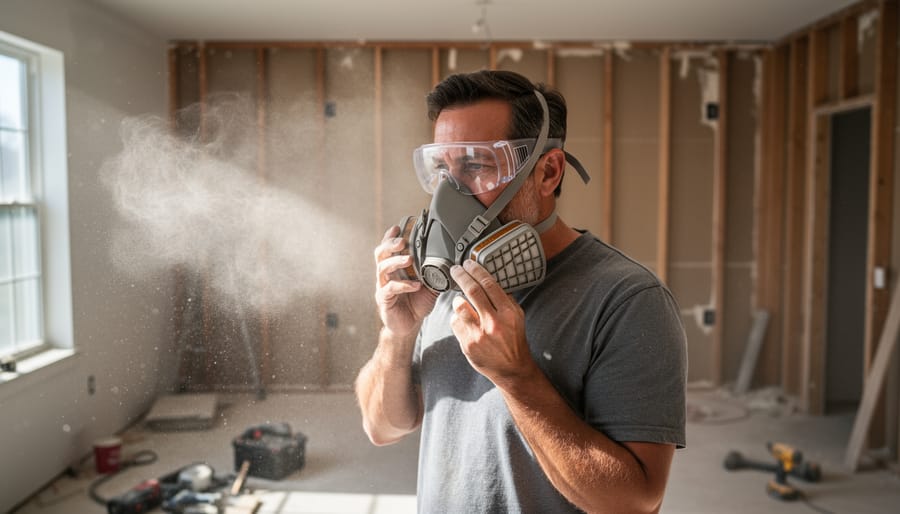
Wood dust is one of those sneaky health hazards during construction that often gets overlooked until you’re coughing up a storm. When you’re cutting, sanding, or demolishing wooden structures, those fine particles become airborne and can irritate your respiratory system. Prolonged exposure may even lead to more serious conditions, so wearing a quality dust mask or respirator isn’t optional—it’s essential.
Here’s something that catches many DIYers off guard: disturbing old walls and damp areas during demolition can release mold spores into the air. These microscopic troublemakers can trigger allergic reactions, asthma attacks, and respiratory issues, especially in enclosed spaces. If you spot discoloration or smell mustiness, assume mold is present and take precautions.
The good news? Proper ventilation is your best friend. Open windows, use fans to create cross-ventilation, and consider renting an air scrubber for dusty projects. Wet-cutting methods can also significantly reduce airborne particles. And remember—if you discover extensive mold growth, calling in professionals with proper containment equipment is the smartest move for your health.
Chemical Exposures During Renovation Work
Lead Paint Risks
If your home was built before 1978, there’s a strong chance it contains lead-based paint—a serious construction health hazard that demands your attention. Lead paint was widely used because of its durability and vibrant colors, but we now know it poses significant risks, particularly harmful for children whose developing brains and bodies are especially vulnerable. Even low levels of exposure can cause learning disabilities, behavioral problems, and developmental delays in kids, while adults may experience high blood pressure, kidney damage, and reproductive issues.
The real danger during renovation comes from disturbing lead paint through sanding, scraping, or demolition, which creates toxic dust that’s easily inhaled or ingested. This is especially critical to understand when tackling historic home renovations where lead paint is almost guaranteed.
Before starting any project, invest in a lead test kit from your hardware store—they’re inexpensive and easy to use. If lead is present, consider hiring certified professionals for larger jobs. For minor work, wet-sand surfaces to minimize dust, seal off the work area with plastic sheeting, wear a respirator rated for lead particles, and clean thoroughly with specialized HEPA vacuums. Never use heat guns or dry-sand lead paint, as these methods release dangerous amounts of contaminated dust into your home.
Volatile Organic Compounds (VOCs)
Volatile organic compounds, or VOCs, are among the most common health hazards during construction and renovation projects. These invisible chemicals evaporate into the air from everyday building materials like paints, adhesives, sealants, varnishes, and wood finishes. You’ll also find them in carpeting, vinyl flooring, and even new cabinets.
When you breathe in VOCs, you might experience immediate effects like headaches, dizziness, eye irritation, or nausea. These symptoms often appear during painting or while applying finishes in poorly ventilated spaces. Long-term exposure raises more serious concerns, including respiratory problems, liver and kidney damage, and potential impacts on your central nervous system.
The good news? You have plenty of control over VOC exposure in your home. Start by choosing low-VOC or zero-VOC paints and finishes, which are now widely available at most home improvement stores. Look for products labeled “low-VOC” or check the specifications, aiming for fewer than 50 grams per liter for paints.
Here’s an expert tip: even low-VOC products release some fumes, so always work with windows open and use fans to create cross-ventilation. Schedule painting projects when you can keep the house well-aired for several days afterward, allowing VOCs to dissipate before spending extended time in freshly finished spaces.
Adhesives, Solvents, and Cleaners
Construction adhesives, solvents, and cleaners pose serious health hazards that many DIYers underestimate. These products can cause chemical burns on contact with skin or eyes, while their fumes may lead to dizziness, headaches, nausea, or respiratory irritation when inhaled in enclosed spaces.
Here’s how to protect yourself: Always work in well-ventilated areas by opening windows and using fans to circulate fresh air. Wear chemical-resistant gloves and safety glasses when handling these products, and consider a respirator with appropriate cartridges for prolonged use. Read product labels carefully—they contain crucial safety information specific to each chemical.
Expert tip: Never mix different chemical products, as this can create dangerous reactions and toxic fumes. Store construction chemicals in their original containers, tightly sealed, away from living spaces and out of reach of children and pets.
Proper disposal matters too. Contact your local hazardous waste facility rather than pouring chemicals down drains or into trash bins. Many communities offer free collection days for household hazardous waste, making safe disposal convenient and responsible.
Physical Hazards That Cause Injury and Long-Term Damage
Noise-Induced Hearing Damage
Your power tools pack a surprising punch when it comes to noise levels. A typical circular saw generates around 110 decibels, while hammer drills can reach 115 decibels—well beyond safe listening levels. To put this in perspective, noise exposure above 85 decibels can cause permanent hearing damage with prolonged exposure, and many construction tools exceed this threshold.
The real danger lies in cumulative exposure. Just 15 minutes of unprotected drilling or sawing can start damaging those delicate hair cells in your inner ear, and this damage is irreversible. If you’re planning a weekend renovation project, you could easily rack up several hours of hazardous noise exposure without realizing it.
The good news? Protecting your hearing doesn’t require a big investment. Foam earplugs (around $5 for multiple pairs) reduce noise by 29-33 decibels, while over-ear hearing protection muffs offer even better protection. For the best defense during extended projects, use both together. Your future self will thank you—hearing loss affects not just your ability to enjoy conversations and music, but your overall quality of life.
Repetitive Strain and Musculoskeletal Injuries
Renovation work puts real strain on your body, especially when you’re lifting heavy materials, kneeling for long periods, or repeating the same motions hour after hour. Back injuries are among the most common construction health hazards for DIYers, often happening when lifting improperly or twisting while carrying weight.
Here’s how to protect yourself: Always bend at your knees, not your waist, when lifting renovation materials. Keep heavy items close to your body and ask for help with anything over 50 pounds. Take regular breaks to stretch and change positions—your joints will thank you.
Invest in knee pads for tile work or flooring projects, and consider ergonomic tools with cushioned grips that reduce hand strain. Power tools with anti-vibration features make a real difference during extended use. Remember, choosing lighter eco-friendly renovations materials can also reduce physical strain while benefiting the environment. If you notice persistent pain, don’t push through it—rest and consult a healthcare professional before continuing your project.
Electrical and Shock Hazards
Electrical systems pose serious health hazards during construction projects, from shock risks to potential electrocution. Before starting any renovation work, identify all electrical lines in your workspace and turn off power at the circuit breaker. Never assume wires are dead—always test them with a voltage detector first.
Working near outlets, switches, or fixtures requires extra caution. If you’re demolishing walls or drilling, be mindful of hidden wiring that could create dangerous situations. Water exposure amplifies electrical risks significantly, so keep your work area dry and never handle electrical components with wet hands.
Know your limits. Simple tasks like replacing a light fixture might be manageable for confident DIYers, but anything involving your electrical panel, rewiring, or new circuit installation requires a licensed electrician. The cost of professional help is minimal compared to the risk of serious injury or fire. When in doubt, make the safe choice and call an expert—your family’s safety depends on it.
Essential Safety Equipment Every Homeowner Needs
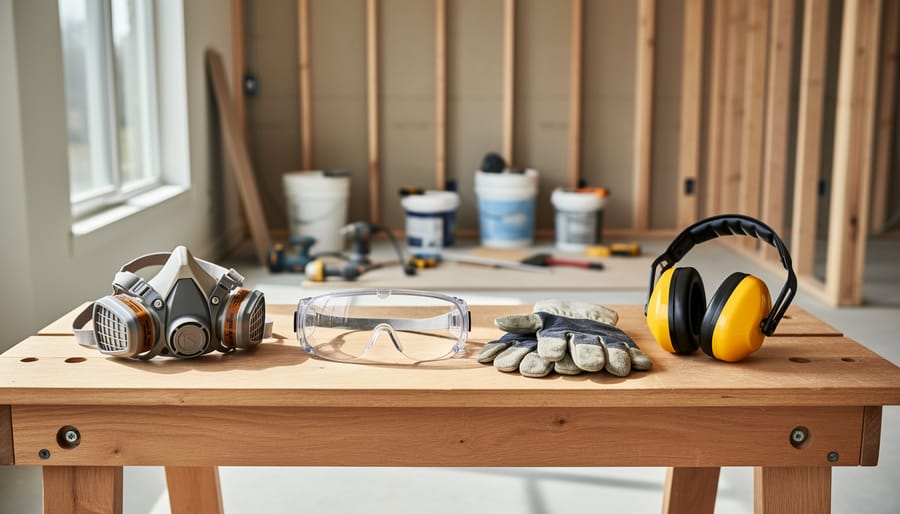
Having safety equipment is one thing, but knowing how to use it properly makes all the difference when tackling construction health hazards at home. Let’s walk through the essential gear you actually need and how to make sure it’s protecting you effectively.
Start with respiratory protection, which is your first line of defense against dust, fumes, and airborne particles. A basic dust mask won’t cut it for most renovation work. Instead, invest in an N95 or N100 respirator for sanding and demolition, and upgrade to a respirator with organic vapor cartridges when working with paints, solvents, or adhesives. Here’s the key: the mask only works if it fits snugly against your face. Perform a seal check every time you put it on by covering the filters and inhaling—you should feel the mask pull against your face with no air leaking in around the edges.
Eye protection is non-negotiable, even for quick tasks. Safety glasses with side shields protect against flying debris, while goggles create a full seal when you’re working with chemicals or overhead. Keep a spare pair in your toolkit so you’re never tempted to skip this step.
Quality work gloves protect your hands from cuts, splinters, and chemical exposure. Choose nitrile gloves for painting and chemical work, and heavy-duty leather or synthetic gloves for demolition and handling rough materials. Switch them out based on the task at hand.
Don’t overlook hearing protection for power tools and demolition work. Foam earplugs or over-ear muffs prevent long-term hearing damage that develops gradually without you noticing.
Keep your safety gear accessible, not buried in the garage. Store everything in a dedicated bin near your workspace, so grabbing protection becomes the automatic first step of every project. Replace disposable items regularly and inspect reusable equipment for wear. Remember, equipment that sits unused in a closet won’t protect you from construction health hazards.
Creating a Safer Renovation Environment
Containment and Ventilation Strategies
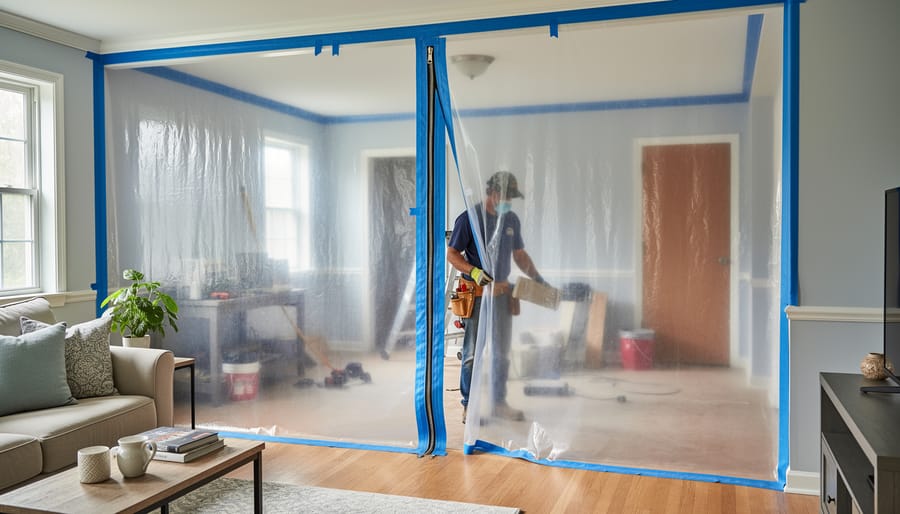
Protecting yourself from construction health hazards starts with smart containment strategies. When you’re tackling renovation work, isolating your work area prevents dust, fumes, and particles from spreading throughout your home.
Start by sealing off doorways and vents with heavy plastic sheeting (4-6 mil thickness works best). Use painter’s tape to secure the edges—it creates a tight seal without damaging walls. For larger projects involving demolition or sanding, consider creating negative air pressure by positioning a box fan in a window to blow air outside. This simple trick pulls contaminated air out of your work zone instead of pushing it into living spaces.
Air filtration is your next line of defense. A basic fan with a furnace filter attached can capture larger particles, but for serious dust or chemical exposure, you’ll need more power. HEPA air scrubbers are game-changers for containing airborne hazards, though they’re pricey to buy.
When should you rent professional equipment? If you’re working with asbestos, lead paint, mold remediation, or projects generating significant dust over multiple days, professional-grade air scrubbers and ventilation systems are worth the investment. Many hardware stores rent HEPA filtration units for 50-75 dollars per day—a small price for protecting your family’s health. These units can filter particles as small as 0.3 microns, catching what household fans simply can’t handle.
Protecting Family Members and Pets
Children, elderly family members, and pets are especially vulnerable to construction health hazards due to their developing or compromised immune systems and lower breathing zones where dust settles. Taking extra precautions for these loved ones is essential during any renovation project.
Consider temporary relocation during high-risk activities like demolition, asbestos removal, or lead paint disturbance. Even a few days away can significantly reduce exposure to dangerous airborne particles and chemicals. If relocation isn’t possible, seal off construction zones completely using plastic sheeting and create a “clean zone” in your home with an air purifier running continuously.
Establish strict cleaning protocols to minimize dust migration. Remove shoes before entering living areas, wash work clothes separately, and wet-mop floors daily rather than sweeping, which stirs up settled particles. Keep pets away from construction zones entirely, as they’re more likely to ingest contaminants through grooming.
Monitor indoor air quality using affordable home monitors that track particulate matter and VOCs. These devices provide real-time feedback and help you know when ventilation isn’t adequate. If readings stay elevated, increase ventilation or pause work until conditions improve.
Bath time becomes crucial during construction. Wash children’s hands and faces frequently, especially before meals, to prevent ingestion of lead dust or other harmful residues that accumulate on surfaces throughout your home.
When to Call in Professional Help
Some construction health hazards simply aren’t worth tackling on your own. Knowing when to step back and call a professional isn’t admitting defeat—it’s making a smart decision for your health and your wallet.
Let’s talk about the big ones. If you discover asbestos-containing materials in homes built before 1980, stop immediately. Asbestos removal requires specialized training, equipment, and certification. The average professional asbestos abatement costs between $1,500 and $3,000, but disturbing it yourself could expose your family to fibers that cause lung cancer and mesothelioma decades later. There’s no safe DIY approach here.
Lead paint removal in homes built before 1978 falls into the same category, especially if you’re expecting children or are pregnant. Certified lead abatement professionals use containment systems and HEPA vacuums that prevent contamination. While it might cost $8,000 to $15,000 for whole-house remediation, the alternative—childhood lead poisoning causing developmental delays and learning disabilities—carries costs you can’t measure in dollars.
Mold remediation becomes a professional job when it covers more than 10 square feet or grows behind walls and in HVAC systems. Professional remediation typically runs $500 to $6,000 depending on severity, but spreading mold spores throughout your home during amateur removal can trigger respiratory problems and allergic reactions for years.
Here’s your cost-benefit question: Is saving a few thousand dollars worth potential medical bills, lost work days, and long-term health complications? Professional services include proper containment, disposal, air quality testing, and often warranties on their work.
Trust your instincts. If a project involves materials you can’t identify, requires respirators beyond basic dust masks, or makes you feel genuinely unsafe, that’s your signal to get expert help.
Understanding construction health hazards isn’t about creating fear—it’s about empowering you to create the beautiful, functional home you’ve always wanted while keeping everyone safe. When you make home renovation planning decisions, health and safety deserve equal consideration alongside your design vision and budget. The good news? With proper awareness and simple precautions, you can dramatically reduce risks from dust, chemicals, and physical hazards.
Remember, protecting your family doesn’t require expensive equipment or expert knowledge for every project. Start with the basics: adequate ventilation, appropriate protective gear, proper material handling, and knowing when to call in professionals. These straightforward steps transform potentially hazardous projects into manageable, even enjoyable experiences.
Your home should be a sanctuary, not a source of health concerns. By taking the time to understand construction health hazards and implementing the protective measures we’ve discussed, you’re investing in something far more valuable than aesthetic improvements—you’re safeguarding your family’s wellbeing. Armed with this knowledge, you can confidently tackle your next renovation project, creating spaces that are not only beautiful but genuinely safe for years to come.