Selling commercial premises gives you three core routes: listing with a commercial estate agent (typically 4-6 months, best for prime locations), auctioning the property (sold in 8-12 weeks, ideal for distressed or niche assets), or selling directly to commercial property buyers (completed in 2-4 weeks, suited to quick exits). Each method carries different timescales, costs, and levels of control, and choosing the wrong one can cost you months of holding expenses or tens of thousands in lost value.
The commercial property market in 2026 demands a strategic approach. Unlike residential sales, commercial transactions involve lease assignments, tenant agreements, business rates considerations, and often more complex due diligence. You’ll need to understand your property’s investment yield, comparable market values, and the specific documentation buyers will require before you even list.
This guide walks you through the complete selling process, from gathering your legal pack and ordering commercial EPCs to negotiating heads of terms and instructing solicitors. You’ll learn exactly which selling method suits your situation, what paperwork you need at each stage, and how to avoid the common pitfalls that delay completions or reduce your final sale price. Whether you’re offloading a retail unit, an office block, or an industrial warehouse, the steps remain consistent, but the strategy shifts based on your timeline, property condition, and market position. Working with experienced commercial property buyers can streamline the entire process significantly.
What You’ll Need Before Selling
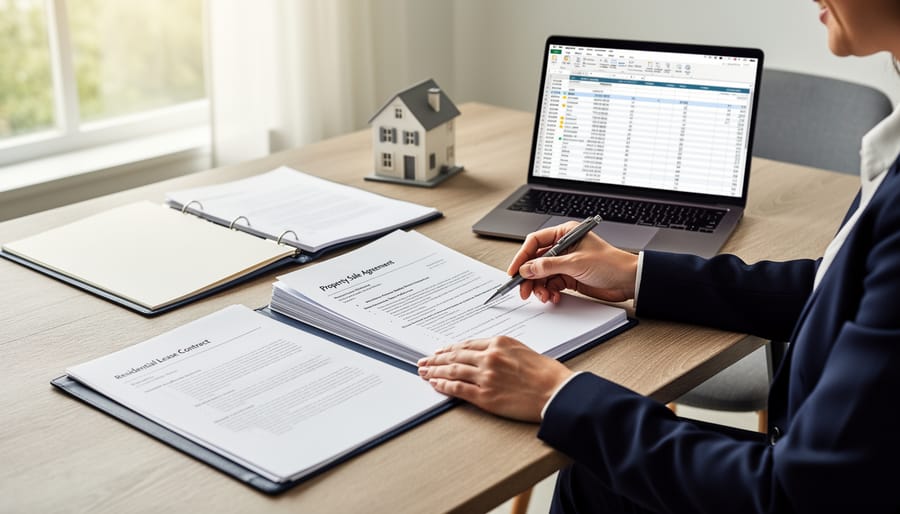
Before you list your commercial property or even contact potential buyers, you need to gather a complete documentation package. Missing paperwork can derail negotiations or delay your closing by weeks, so start building this file now rather than scrambling later.
The foundation of any commercial sale is organized, accessible documentation. Here’s what you’ll need:
- Current deed and title documentation showing clear ownership
- Property tax records for the past three years, including any assessments or appeals
- All existing tenant leases, amendments, and correspondence (if applicable)
- Recent professional appraisal, ideally conducted within the past six months
- Financial statements showing operating income, expenses, and net operating income for at least two years
- Rent rolls detailing current occupancy, rates, lease terms, and tenant payment history
- Recent property inspection reports covering structural, mechanical, electrical, and plumbing systems
- Environmental assessment (Phase I ESA) if you have one, or be prepared to authorize one
- Building permits, certificates of occupancy, and zoning compliance documentation
- Insurance policies and claims history for the past five years
- Utility bills and service contracts for HVAC, landscaping, security, or other ongoing maintenance
Beyond paperwork, organize documents in both physical and digital formats so you can respond quickly to buyer requests during due diligence.
You’ll also need a professional team. Line up a commercial real estate attorney experienced in property transactions in your jurisdiction, an accountant who understands capital gains tax implications, and potentially a commercial broker if you choose that selling route. Having these contacts ready before you start means you can move decisively when opportunities arise, rather than losing momentum searching for help mid-transaction.
Important Considerations and Warnings Before You Start
Before you list your commercial property, it’s safety first when it comes to protecting your financial interests and legal standing. Commercial real estate transactions carry significantly higher stakes than residential sales, and rushing in unprepared can cost you hundreds of thousands in unexpected taxes, legal disputes, or lost value.
Tax implications should stop you in your tracks before proceeding. Capital gains tax on commercial property can reach 20 percent federally, plus state taxes and potential depreciation recapture at ordinary income rates. If you’ve owned the property for years and depreciated it, you could face a shocking tax bill that devours your profit. Run the numbers with a CPA who specializes in commercial real estate before you even think about pricing.
Existing tenant leases create binding obligations that transfer with the sale. By law, new owners must honor leases meaning you can’t simply evict tenants to deliver vacant possession unless their lease terms allow it. Review every lease carefully. Some contain rights of first refusal, requiring you to offer tenants the chance to buy before entertaining outside offers.
Market timing matters enormously. Selling during a recession, rising interest rate environment, or local market downturn can slash your sale price by 20 to 30 percent compared to waiting for better conditions. Don’t sell out of panic or impatience if market fundamentals are temporarily weak.
Finally, never proceed if you’re unsure about environmental liabilities, zoning violations, or structural issues. Undisclosed problems can trigger lawsuits that follow you for years after closing.
Step-by-Step: How to Sell Your Commercial Property

Step 1: Determine Your Property’s Value
Understanding what your commercial property is worth requires more than a gut feeling. Start by hiring a licensed commercial appraiser who specializes in your property type, whether it’s retail, office, industrial, or multifamily. This typically costs $2,000 to $5,000 but provides defensible valuation you’ll need for negotiations and tax purposes.
While waiting for the appraisal, research comparable sales yourself. Look at similar properties sold within the past 12 months in your area, focusing on price per square foot and location quality. Commercial real estate platforms and your local assessor’s office can provide this data.
Learn to calculate the capitalization rate (cap rate), the net operating income divided by property value. If your property generates $100,000 annually and comparable buildings sell at 7% cap rates, your baseline value sits around $1.43 million. Cap rates vary by property type and location, so compare apples to apples.
Set your asking price 5-10% above the appraised value to leave negotiation room, but stay grounded in market reality. Overpricing by 20% or more typically extends your time on market and signals desperation when you eventually reduce the price.
Step 2: Choose Your Selling Method
You have four primary ways to sell your commercial property, each suited to different situations and goals.
Hiring a commercial broker is the traditional route and works best when you want maximum market exposure and professional guidance. Brokers handle marketing, buyer qualification, and negotiations for a commission (typically 4-6%). This method makes sense if your property is in good condition, you’re not in a rush, and you want to cast a wide net to potentially secure top dollar. The trade-off is time, expect 6-12 months from listing to closing, and the commission cost.
Selling directly to an investor or buyer cuts out the middleman and speeds up the process. Cash buyers and investment firms can often close in 30-60 days with minimal contingencies. Choose this path when you need a quick sale, want to avoid commission fees, or your property needs significant repairs that would complicate a traditional listing. You’ll likely accept a lower price in exchange for speed and certainty.
Auction sales create urgency and competition, working well for unique properties or when you need a firm closing date. Auctions typically conclude in 30-90 days, but there’s no price guarantee, you might sell below market if bidding is weak.
Sale-leaseback arrangements let you convert your property to cash while continuing to occupy it as a tenant. This option suits owners who need capital but want to maintain their current location and operations without disruption.
Your timeline, property condition, and financial needs should guide your choice.
Step 3: Prepare the Property for Market

First impressions matter enormously with commercial buyers, so tackle obvious repairs before listing. Fix leaking roofs, patch cracked pavement, update worn signage, and address any code violations that could derail negotiations. You’ll need to weigh repairs vs DIY carefully, commercial buyers scrutinize quality work, so hire licensed contractors for anything structural, electrical, or plumbing-related.
Clean thoroughly and consider strategic presentation improvements like fresh paint in neutral colors, power-washing exteriors, and decluttering common areas. Hire a commercial photographer who specializes in real estate, smartphone photos won’t cut it for properties in this price range. Your photographer should capture exterior angles, parking areas, interior spaces, and any unique features that justify your asking price.
Simultaneously, organize your due diligence package: current rent rolls, lease abstracts, property tax records, insurance policies, recent inspection reports, utility bills for the past two years, and maintenance records. Having these ready accelerates buyer confidence and shortens the closing timeline considerably.
Step 4: Market Your Property
Once your property is ready, effective marketing determines how quickly you’ll find the right buyer and at what price.
Start by listing your property on major commercial real estate platforms like LoopNet, CoStar, and CommercialCafe, these are where serious buyers and their brokers actively search. Most platforms allow direct listings or work through broker partnerships. Include professional photos, your offering memorandum, key financial metrics, and accurate property details.
Create a comprehensive offering memorandum that presents your property professionally. This packet should include photos, property specifications, income statements, rent rolls, recent appraisals, site plans, and area demographics. Think of it as your property’s resume, buyers expect this documentation before scheduling tours.
Network strategically beyond online listings. Contact commercial brokers in your area directly, reach out to local investment groups, and leverage LinkedIn to connect with commercial property investors. Attend commercial real estate networking events or investor meetups in your market.
Consider targeted email campaigns to known investors in your property type. Many serious buyers prefer off-market opportunities and maintain relationships with property owners before listings go public.
The key is casting a wide net while focusing on qualified buyers who understand commercial property values, not tire-kickers looking for unrealistic deals.
Step 5: Negotiate and Accept an Offer

Once you receive an offer, don’t rush to sign. Commercial buyers typically start with a Letter of Intent (LOI), a non-binding document outlining the proposed purchase price, earnest money deposit, contingencies, and closing timeline. Review every term carefully, not just the price.
Negotiation points beyond the dollar amount matter tremendously. The earnest money deposit (usually 1-5% of purchase price) shows buyer commitment. Contingencies let buyers walk away if inspections reveal problems or financing falls through. The closing timeline affects when you’ll receive funds and when responsibility transfers. A higher offer with tight contingencies and quick closing might beat a lower all-cash offer with flexible terms, depending on your situation.
Counter aggressively if terms don’t work, but know your walk-away point. If a buyer demands unreasonable contingencies, extended due diligence periods, or seller financing you can’t afford, declining protects you from a deal that could collapse weeks later.
Step 6: Navigate Due Diligence
Once you’ve accepted an offer, the buyer will scrutinize every aspect of your property during the due diligence period, typically 30 to 60 days. Expect inspections of the building’s structure, HVAC, electrical, plumbing, and roof. Buyers will order environmental assessments (Phase I, sometimes Phase II) to check for contamination or hazardous materials. They’ll also conduct title searches to verify clear ownership and review all tenant leases, financial records, and operating expenses you provide.
Your job is to facilitate this process smoothly. Grant reasonable access for inspectors, respond promptly to document requests, and be transparent about known issues. Delays or evasiveness raise red flags and can kill deals. Keep copies of everything you share, and loop in your attorney if buyers request repairs or price reductions based on their findings. Most issues are negotiable, buyers often ask for credits rather than walking away, but you need to address concerns quickly to keep momentum going.
How to Verify a Successful Sale and What Comes Next
The sale isn’t truly complete until you’ve verified every critical element and handled your immediate post-closing responsibilities. Here’s how to confirm everything went through correctly and what needs your attention right away.
Start by carefully reviewing your closing statement, also called the settlement statement or HUD-1. This document itemizes every dollar that changed hands, your proceeds, prorated rents, property taxes, commission payments, and closing costs. Compare it against the numbers you expected from your accepted offer. Discrepancies happen, and you have a narrow window to address them.
Next, confirm the funds actually arrived in your account. Wire transfers typically complete within 24 hours, but verify the exact amount matches your closing statement. If you’re receiving a cashier’s check instead, deposit it immediately and confirm it clears, yes, even large checks can bounce.
To ensure nothing falls through the cracks at closing, work through this verification checklist:
- Confirm you received the fully executed deed showing the new owner
- Verify your bank received and processed the wire transfer or check
- Obtain copies of all signed closing documents for your records
- Check that title insurance policies were issued to the buyer
- Confirm any tenant security deposits were properly transferred
- Verify prorations for taxes, utilities, and rent were calculated correctly
Now you’ll need to notify all tenants in writing about the ownership change, providing new contact information for rent payments and maintenance requests. Most states require this within 30 days.
Schedule a meeting with your accountant within the first week. Capital gains taxes are due when you file your next return, and you may owe estimated quarterly payments. If you’re considering a 1031 exchange to defer taxes, you have just 45 days from closing to identify replacement properties, this deadline is strict and unforgiving.
Finally, cancel any insurance policies, utility accounts, or service contracts tied to the property, and update your business records to reflect the sale.
Expert Tips for Maximizing Your Sale Price
Timing your commercial property sale strategically can add tens of thousands to your final price. List when market demand peaks in your specific commercial sector, retail properties often move faster in Q1 when businesses plan expansions, while office spaces see activity surges in Q3 as companies finalize year-end moves.
Buyers evaluate commercial property through an income lens, not emotional appeal. Frame every conversation around the numbers: stabilized occupancy rates, reliable tenant history, and potential for rent increases. A property generating consistent cash flow with creditworthy tenants commands premium pricing because it reduces buyer risk.
- Clean up your financials three to six months before listing, organized rent rolls and expense reports signal professional management
- Address minor deferred maintenance now rather than accepting price reductions during inspection
- Highlight below-market rents as upside potential, not current income shortfalls
- Never disclose your bottom-line number or timeline pressure to buyers or their agents
- Request proof of funds or pre-approval before investing time in negotiations
- Consider offering seller financing as a negotiating chip, not a starting concession
The biggest mistake sellers make is anchoring negotiations on their purchase price or personal investment rather than current market value. Buyers care only about future returns. If you paid $800,000 five years ago but comparable properties now sell for $950,000, your basis is irrelevant to the negotiation.
Understand that commercial buyers move methodically. Rushing to accept the first offer often costs you money, but waiting for a perfect deal can mean missing strong opportunities. Work with your broker or attorney to establish clear decision criteria before offers arrive, so you can evaluate each proposal objectively rather than emotionally.
Common Questions About Selling Commercial Property
Selling commercial property raises questions that don’t come up in residential transactions. Here are answers to the concerns owners ask most often.
How long does it typically take to sell a commercial property?
Most commercial sales take 6-12 months from listing to closing, though properties in high-demand areas or those sold to investors may move faster. The timeline depends heavily on property type, location, market conditions, and whether you’re selling occupied or vacant.
Should I sell with tenants in place or vacant?
Selling occupied usually attracts more buyers because they’re purchasing an income stream, not just a building. Vacancy can work if the space needs major repositioning or if current leases are problematic, but expect a lower price since buyers assume more risk.
What are the total costs of selling commercial property?
Expect 8-10% of the sale price in combined costs, broker commissions (typically 6%), legal fees, title insurance, transfer taxes, and capital gains taxes. If you’re making repairs or updates before listing, factor those in as well.
Do I really need a commercial broker, or can I sell it myself?
You can legally sell without a broker, but commercial transactions involve complex negotiations, specialized marketing channels, and buyer qualification that most owners aren’t equipped to handle. A good broker earns their commission by attracting serious buyers and navigating the technical aspects you’d otherwise learn the hard way.
One question that comes up constantly: what happens to existing tenant leases? In most cases, leases transfer to the new owner at closing. You’ll need to notify tenants about the ownership change and provide their security deposit information to the buyer. If you want to terminate leases before selling, check the terms carefully, breaking leases early can trigger penalties and scare off buyers who wanted that rental income.
Many owners also wonder whether now is the right time to sell. There’s no perfect moment, but strong occupancy, a stable local economy, and at least two years left on major tenant leases typically signal good timing. If you’re asking the question, you’re probably closer to ready than you think.
Selling commercial property is one of the most significant financial decisions you’ll make as an owner, and you now have the roadmap to navigate it successfully. You’ve learned the essential options available, from traditional broker listings to direct investor sales, auctions, and sale-leasebacks, and the step-by-step process that leads to a successful closing. The key is choosing the approach that aligns with your timeline, financial goals, and property situation.
Don’t let the complexity of commercial real estate hold you back from taking that first step. Whether you’re ready to list tomorrow or just starting to explore your options, the most important action is reaching out to experienced professionals who can evaluate your specific situation. A qualified commercial real estate attorney and accountant should be your first calls, they’ll help you understand the tax implications and legal requirements unique to your property.
Remember, every commercial property is different, and there’s no one-size-fits-all selling strategy. The owner who takes time to understand their options, prepares thoroughly, and seeks expert guidance consistently achieves better outcomes than those who rush to market unprepared. You’ve got the knowledge, now put it into action with confidence.