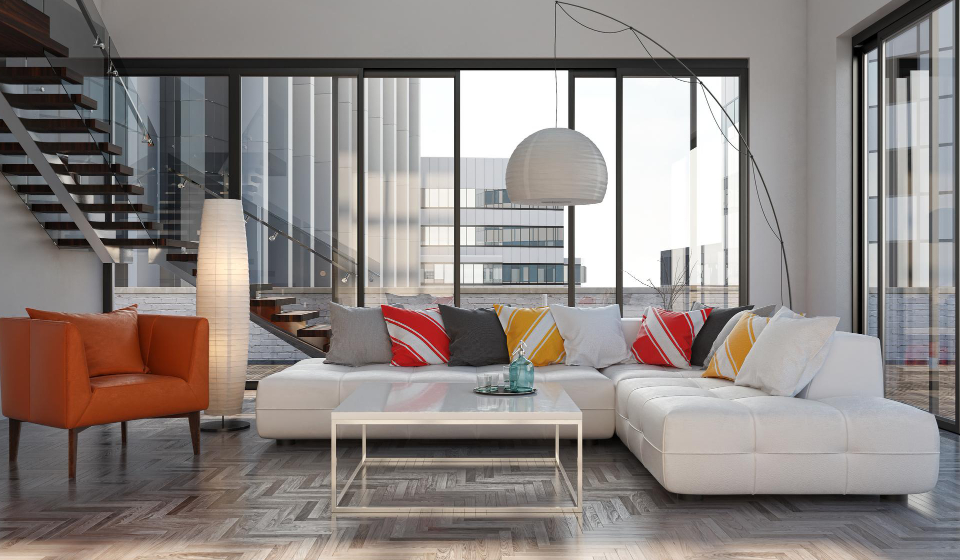
Modern homes are evolving into dynamic environments where one space is expected to serve multiple purposes without feeling cluttered or restrictive. This shift is driven by changing lifestyles where people require areas that can support relaxation, productivity, and entertainment all within a single setting. A well-designed home today is no longer defined by the number of rooms but by how intelligently each space is used.
Whether you are selecting an extendable dining table or a versatile modular lounge for Perth homes, you can instantly transform a living area into a flexible environment that adapts to different needs throughout the day. This adaptability sets the foundation for multi-functional living and allows homeowners to maximise every square metre effectively.
Understanding Multi-Functional Design Principles
Multi-functional design is centred around the idea that a single space should serve more than one purpose without losing its visual appeal or comfort. It relies on smart planning, versatile furniture, and a strong understanding of how a space is used on a daily basis.
Rather than separating rooms strictly by function, modern interiors encourage fluidity. A dining area may also act as a workspace, while a lounge may double as an entertainment hub. The key is to ensure that transitions between these uses feel natural and seamless rather than forced or cluttered.
Planning a Space That Works Harder
Effective planning is the foundation of any successful multi-functional space. Before choosing furniture or decor, it is important to understand how the space will be used at different times of the day. This helps in prioritising needs and ensuring that every element serves a purpose.
A well-planned space also considers movement flow. People should be able to move comfortably without obstacles, even when the room serves multiple roles. This is where thoughtful layout design becomes essential, as it allows the space to feel open while still being highly functional.
Furniture That Transforms Everyday Living
Furniture selection plays a critical role in creating adaptable interiors. Pieces that serve more than one function are particularly valuable in modern homes. Foldable tables, extendable seating, modular, or storage-integrated furniture help reduce clutter while increasing usability. These choices ensure that the space remains clean, organised, and flexible enough to adapt to changing needs.
Smart Bedroom and Living Integration
Designing a multi-functional layout requires thoughtful zoning that allows a single space to serve more than one purpose without feeling crowded or cluttered. A well-planned bedroom-living combination can balance relaxation, work, and storage by using versatile furniture. In larger layouts, incorporating king-size beds can still work effectively when paired with space-saving elements, ensuring the room remains open, functional, and visually cohesive while maintaining comfort and practicality.
Conclusion
Designing a multi-functional space requires thoughtful planning, smart furniture choices, and a clear understanding of how a home is used daily. By combining flexibility with style, it is possible to create interiors that adapt effortlessly to changing needs while maintaining comfort and visual harmony. A well-designed space not only improves functionality but also enhances the overall quality of modern living.
Frequently Asked Questions
What is a multi-functional living space?
A multi-functional living space is a thoughtfully designed area that serves more than one purpose without compromising comfort or style.
Why is multi-functional design important in modern homes?
Multi-functional design is important because modern lifestyles demand flexibility. Homes today need to support multiple daily activities within limited space, making efficient layouts and versatile furniture essential for comfort and practicality.
How can small spaces be made more functional?
Small spaces can be made more functional by focusing on smart zoning, vertical storage, and compact furniture solutions. Keeping layouts open, avoiding clutter, and choosing adaptable pieces helps improve both movement and usability.
How does furniture placement affect multi-functional design?
Furniture placement plays a key role in defining how a space is used. Strategic positioning helps create separate functional zones without physical barriers, allowing smooth transitions between different activities within the same room.
What makes a multi-functional space visually appealing?
A visually appealing multi-functional space balances simplicity, cohesion, and functionality. Consistent colour schemes, clean lines, and well-chosen furniture help maintain a harmonious look while supporting multiple uses.